Keep me updated!
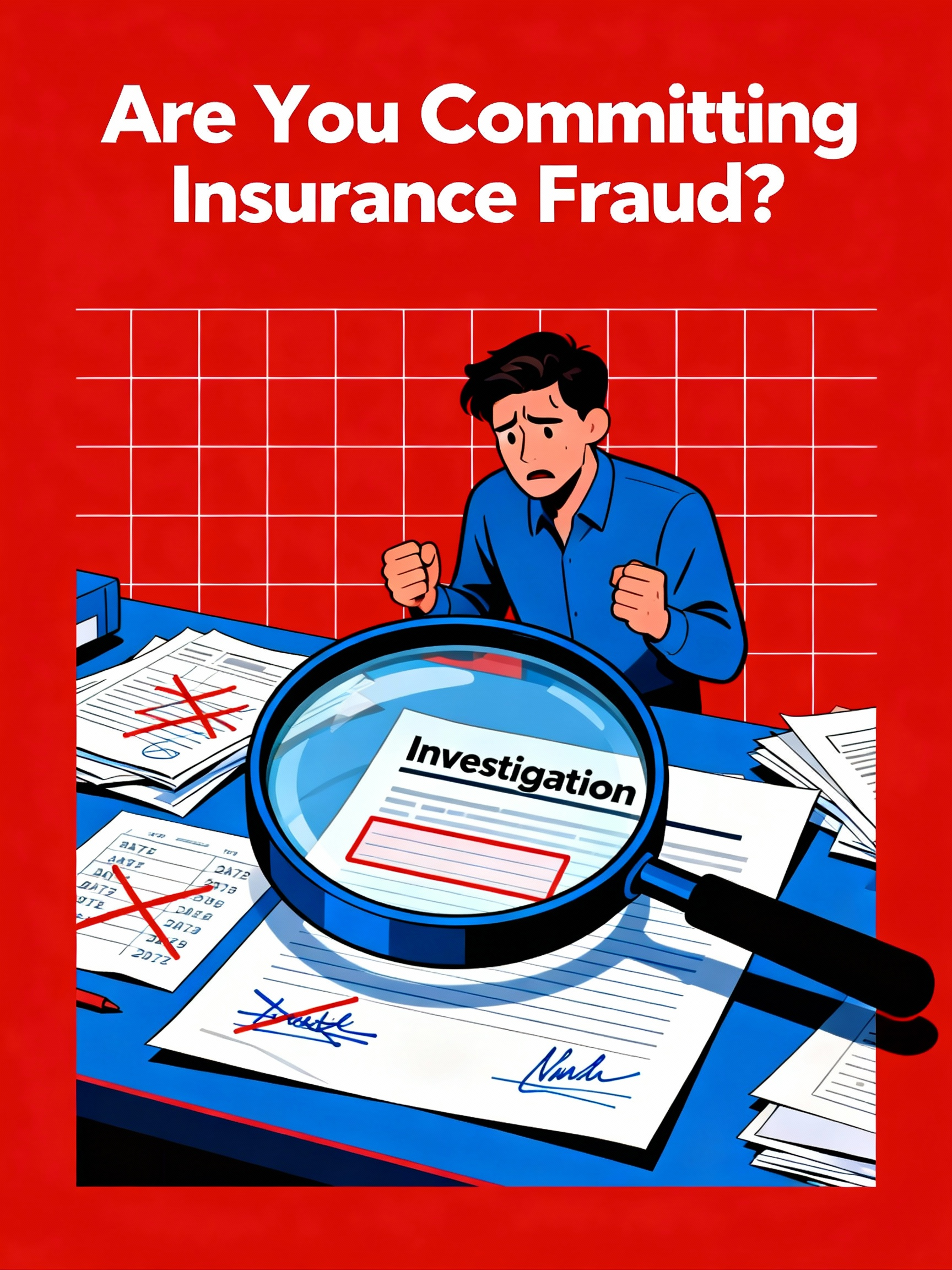
Insurance fraud is a big, ugly phrase — and one most people would never associate with themselves. You pay your premiums, you’re honest and you play by the rules. But what if some everyday behaviors you consider “normal” or “no big deal” are actually fraud?
Here are a few all-too-common scenarios that many people don’t recognize for what they truly are: insurance fraud.
Padding Your Deductible
Imagine a minor fender bender on a calm Sunday morning. No one’s hurt, and the damage is relatively small. A few days later at the body shop, you learn how much the repair will cost and are reminded of your deductible — a number that makes both you and the shop employee cringe.
Suddenly, the suggestion slips out: if you also claim damage to that left rear fender — the one that wasn’t actually harmed — the insurance payout might cover your deductible. You agree, thinking it’s harmless.
It’s not harmless. It’s fraud. Insurance fraud.
Overstating What Was Stolen
Picture this: you’ve just moved into a great new apartment. On the second night, you come home to find the door cracked open. After checking around, you see your laptop is gone. Your glasses are missing, too. But what else? Maybe a couple of boxes?
When you file a claim, the insurer asks for an inventory of stolen items. You list what you know — but then you add a few extra items you think might have been in those missing boxes. A couple of chargers, a power bank, maybe a few pieces of clothing.
Seems innocent enough, right?
Nope. That’s also fraud. Insurance fraud.
Keep me updated!
Stretching a Sick Leave Claim
You test positive for COVID-19 and take a few days off work. You recover quickly — a slight cough remains, but you’re mostly fine. Meanwhile, your paycheck keeps coming, and your supplemental benefits kick in.
Then you notice something: you’re earning more staying home than you did while working. Plus, no office drama. No Slack pings.
So you decide to stay “sick” a little longer.
That’s fraud. Insurance fraud.
The Enormous Cost of These “Small” Behaviors
Many people convince themselves that these behaviors are harmless or simply part of “how the system works.” But the financial impact is staggering:
- Health insurance fraud: $80 billion per year
- Auto insurance fraud: $29 billion per year
- Home insurance fraud: $30 billion per year
- Workers’ comp fraud: $7 billion per year
These costs don’t magically disappear — they get passed on to consumers. In fact, fraud is estimated to increase the average person’s insurance premiums by
$800 to $1,000 each year.
Would you like to save $1,000 a year on insurance? Here’s an easy start: don’t commit fraud.
Insurance fraud — no matter how small it seems — is illegal, expensive and grounds for an insurer to deny
your entire claim, not just the inflated part. Stay honest, stay protected and help keep costs down for everyone.
Keep me updated!