Insurance isn’t just a monthly bill — it’s one of the oldest financial tools designed to protect individuals and businesses from devastating loss. As Karl Susman explains on Insurance Hour, the true power of insurance lies in its ability to spread risk across many people, creating stability for all.
Understanding how this system works can help you make better decisions, interpret premium changes, and appreciate the value behind your coverage.
The Core Principle: Sharing Risk for Stability
Insurance began with a simple idea: pooling resources so no one person bears a catastrophic loss alone. Imagine Abraham Lincoln insuring his $1,000 log cabin for $5 a year. That $5 wouldn’t rebuild his home — but thousands of $5 premiums collected from many people could.
This shared-risk model fuels modern insurance. Many contribute a little so the unfortunate few can recover from loss. It’s the foundation of homeownership, business growth, and financial resilience.
Diversification: Reducing the Chance of Mass Loss
To stay solvent, insurers must avoid concentrated risk. Susman puts it simply: insurers don’t cover every log cabin in the same forest. One wildfire could wipe them out.
Diversifying policies across geography and risk type ensures that no single event collapses the entire system. Today, that strategy applies broadly — from auto and home insurance to cybersecurity and commercial coverage.
Investment Income: Making Premium Dollars Work
Insurers don’t hold your premium in a vault. They invest it — carefully — in safe, liquid assets such as government bonds and high-grade securities.
This investment income is crucial. When interest rates are high, insurers earn more, allowing premiums to stay lower. When rates drop, investment returns fall too, often requiring higher premiums to maintain financial stability.
Strict regulations ensure insurers invest conservatively so they can always pay claims regardless of market conditions.
Reinsurance: The Insurance Behind Insurance Companies
Reinsurance is one of the most important — yet least understood — pillars of the insurance world.
Here’s how it works:
- An insurer collects premiums but doesn’t keep all the risk.
- It pays a portion of those premiums to a reinsurer.
- When a large loss occurs, both companies share the payout.
If a company collects $5 in premium, it might keep $2.50 and reinsure the other $2.50. In a $1,000 loss, each pays half.
This safety net protects insurers — and policyholders — from catastrophic events like wildfires, hurricanes, and major liability claims.
Loss Prevention: Encouraging Safer Behavior
Insurance companies benefit when losses don’t happen — and so do you. That’s why they promote or require safety measures such as:
- Clearing brush around homes in fire-prone areas
- Installing smoke detectors or sprinkler systems
- Adding security alarms or cameras
- Maintaining roofs, wiring, and plumbing
Preventing loss is always better than filing a claim. As Susman says, “Loss is bad” — financially, emotionally, and operationally.
Loss Avoidance: Risks That Can’t Be Insured
Some events are too catastrophic or unpredictable to insure. Nuclear war, for example, is excluded from almost every policy because no company could absorb that scale of loss.
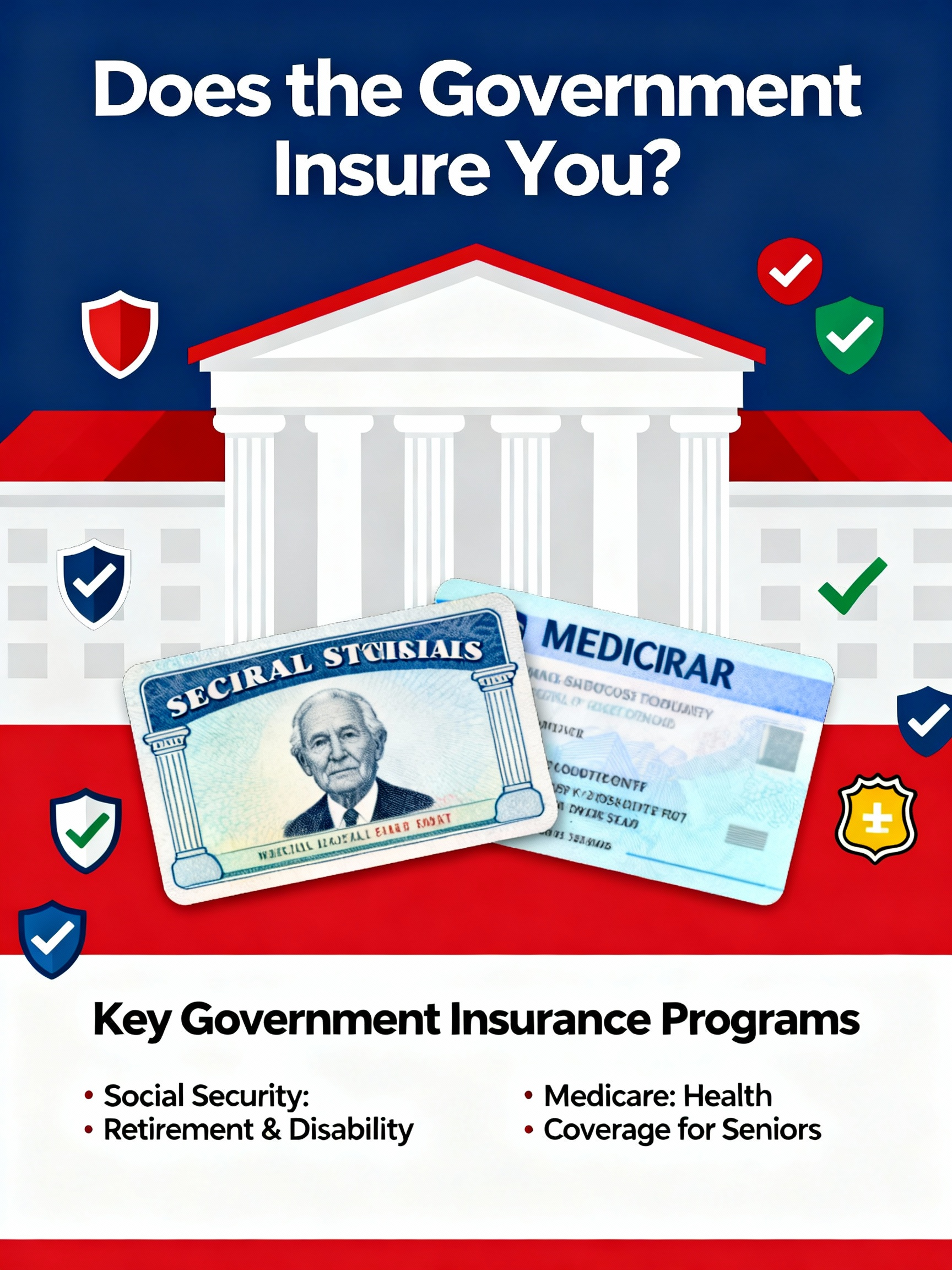
Similarly, properties in extremely high-risk fire or flood zones may be denied private coverage. When that happens, government-backed programs — such as the California FAIR Plan or Florida Citizens — provide last-resort insurance at rates reflecting the true risk.
The Bigger Picture: Why Rising Risk Means Rising Premiums
All these systems exist to do one thing: maintain solvency. When losses rise or investment income falls, insurers must raise premiums to remain financially sound.
Common drivers include:
- Climate-driven catastrophes
- Inflation raising construction and repair costs
- Higher auto repair costs due to advanced technology
- Supply chain delays
- Increased litigation and fraud
These are mathematical realities, not signs of greed. Understanding the mechanics makes premium changes easier to contextualize.
Becoming a Smarter Insurance Consumer
With a clearer understanding of how insurance works, you can make better choices. Ask questions such as:
- How diversified is my insurer’s risk exposure?
- How reliant are they on reinsurance?
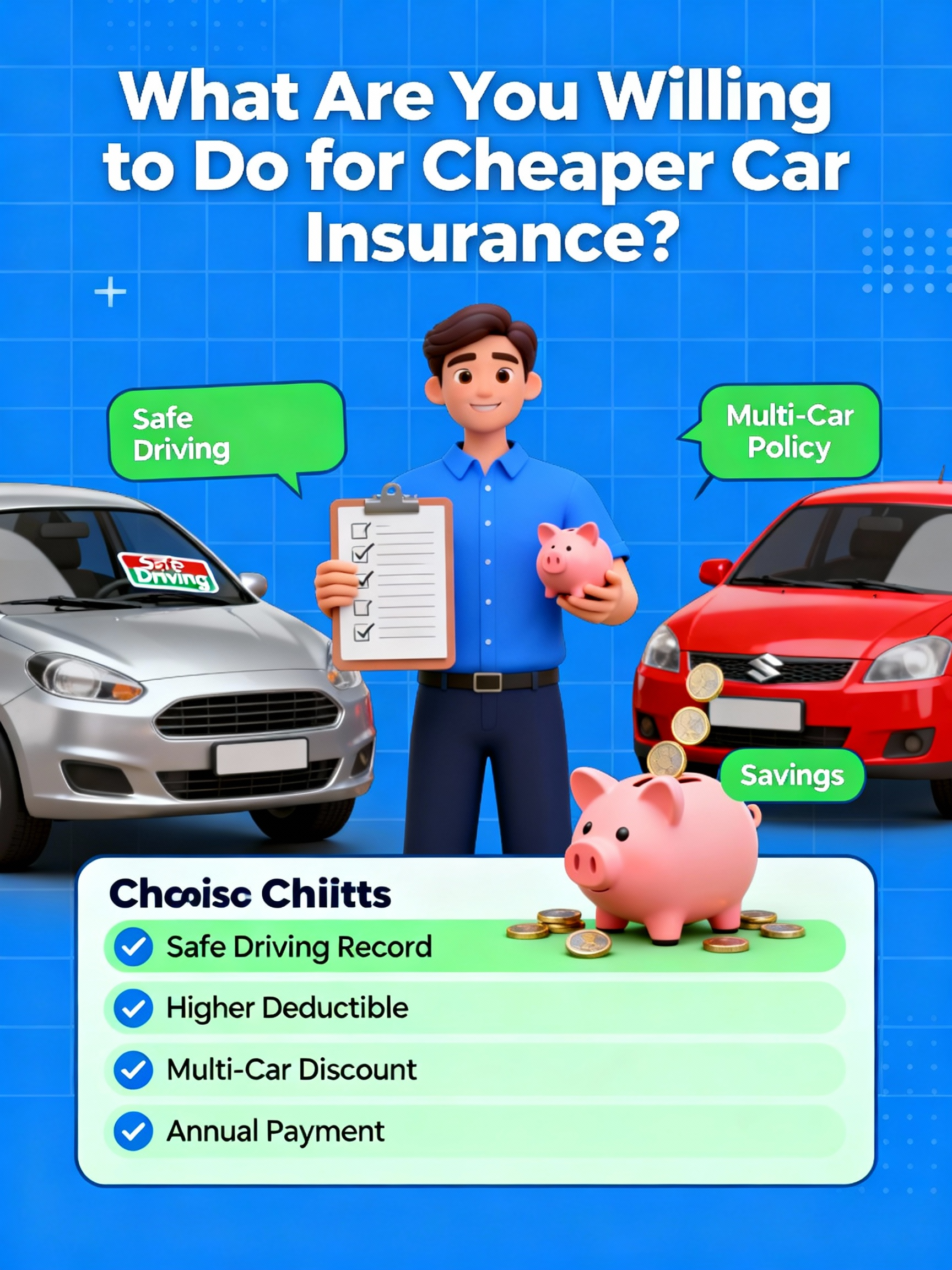
- What loss-prevention steps could lower my premium?
- Is there a government-backed option if private coverage becomes unavailable?
Knowledge reduces frustration and empowers better decision-making.
The True Power of Insurance
From a log cabin in the 1800s to today’s global insurance markets, the core idea remains unchanged: everyone contributes a little to protect the few who lose a lot.
Insurance is neither a scam nor charity. It’s a finely tuned balance of risk, regulation, and responsibility — one that allows families, businesses, and entire economies to function safely.
Understanding how it works helps you appreciate this invisible safety net and use it wisely.