Keep me updated!
Premium increases frustrate policyholders across the country, but those higher bills aren’t random. As Karl Susman explains on Insurance Hour, rising premiums reflect a complex mix of economic pressures, climate realities, regulatory challenges, and global insurance forces. Understanding these factors helps you make smarter coverage decisions — and see why rates are climbing even if you’ve never filed a claim.
Insurance pricing ultimately comes down to risk. Not just your personal risk, but the collective risk of everyone in your region and everyone insured by your carrier. When disasters grow more severe, inflation spikes, or lawsuits increase, insurers must adjust rates to stay solvent. Here’s what’s driving today’s premium increases — and what you can do to manage the cost.
Premiums Rise Because Risk Is Rising
Insurance isn’t priced only on your individual history. It’s based on the shared risk of everyone in your area and across the insurer’s entire portfolio. If wildfires, thefts, or hurricanes increase in your region, premiums rise to account for the higher likelihood of paying claims.
As Susman explains, “Insurance isn’t priced on what you did — it’s priced on what everyone around you did, too.”
Even a spotless claims history can’t fully shield you from broader market forces.
Inflation Is Pushing Claims Costs Higher
One of the biggest contributors to rising premiums is inflation. When repair and medical costs go up, insurers must charge more to cover those future payouts.
Today, repairing a bumper or windshield often involves advanced sensors, cameras, and specialized parts — making repairs two to three times more expensive than they were a few years ago. Home reconstruction faces similar pressures as lumber, drywall, copper, and labor costs continue to rise.
If insurers don’t adjust premiums accordingly, they risk paying out more in claims than they collect — a direct threat to financial stability.
Climate Disasters Are Reshaping Risk Nationwide
Wildfires, hurricanes, floods, and extreme storms are occurring more often and causing more damage. These large-scale disasters cost insurers billions, which impacts premiums not only in affected regions but nationwide.
Insurance markets are globally connected. A hurricane in the Gulf can drive up reinsurance costs in Europe, which then increases auto or homeowners rates on the West Coast. As Susman notes, “Insurance isn’t local anymore — it’s global.”
Reinsurance Costs Are Soaring — And You Pay the Difference
Reinsurance is insurance for insurance companies. It protects carriers from catastrophic losses by spreading risk across global markets. But as disasters increase, reinsurers raise their own prices, creating a ripple effect.
When reinsurance becomes more expensive, insurers must build that added cost into consumer premiums. This feedback loop — disasters → higher reinsurance costs → higher customer premiums — is one of the most significant drivers of recent increases.
Keep me updated!
State Regulations Can Delay Necessary Rate Changes
Each state has its own rules about how insurers set rates. In strict regulatory environments, carriers may be required to use outdated data because rate approvals take months or years.
In states like California, Proposition 103 restricts how quickly insurers can adjust to inflation or rising claims. By the time increases are approved, rates must jump sharply to catch up. This lag has caused some major insurers to stop writing new business in states where they cannot price policies sustainably.
Regulation protects consumers — but it can also create unintended consequences.
Litigation and Fraud Add Hidden Costs
Lawsuits related to auto accidents, property damage, and medical claims are increasing nationwide. Legal fees and settlements significantly impact insurers’ annual losses.
Insurance fraud also plays a major role. Exaggerated injuries, staged accidents, inflated contractor invoices, and false claims cost billions each year. Honest policyholders end up absorbing those losses through higher premiums.
“Every fraudulent claim costs all of us,” Susman reminds listeners. “The money comes from the same pool that pays legitimate claims.”
When Insurers Leave a Market, Competition Shrinks
In high-risk regions such as fire-prone California or hurricane-exposed Florida, some carriers have stopped issuing new policies. Fewer insurers mean less competition and fewer options for homeowners and drivers.
Often, the last resort is a state-run program like the California FAIR Plan or Florida Citizens Insurance. These programs provide necessary coverage but typically cost more because they reflect the true risk that private carriers can no longer absorb.
Why You’re Paying More Even If You’ve Never Filed a Claim
Insurance isn’t a personal savings account — it’s a shared-risk system. Your premium helps pay for someone else’s loss, and someone else’s premium helps pay for yours.
Even if you’ve never filed a claim, you’re part of the collective pool affected by inflation, disasters, fraud, and rising repair costs. Premiums rise to keep the system solvent and capable of paying future claims.
What You Can Do to Reduce Your Premium
While you can’t control global factors, you can manage your own insurance costs:
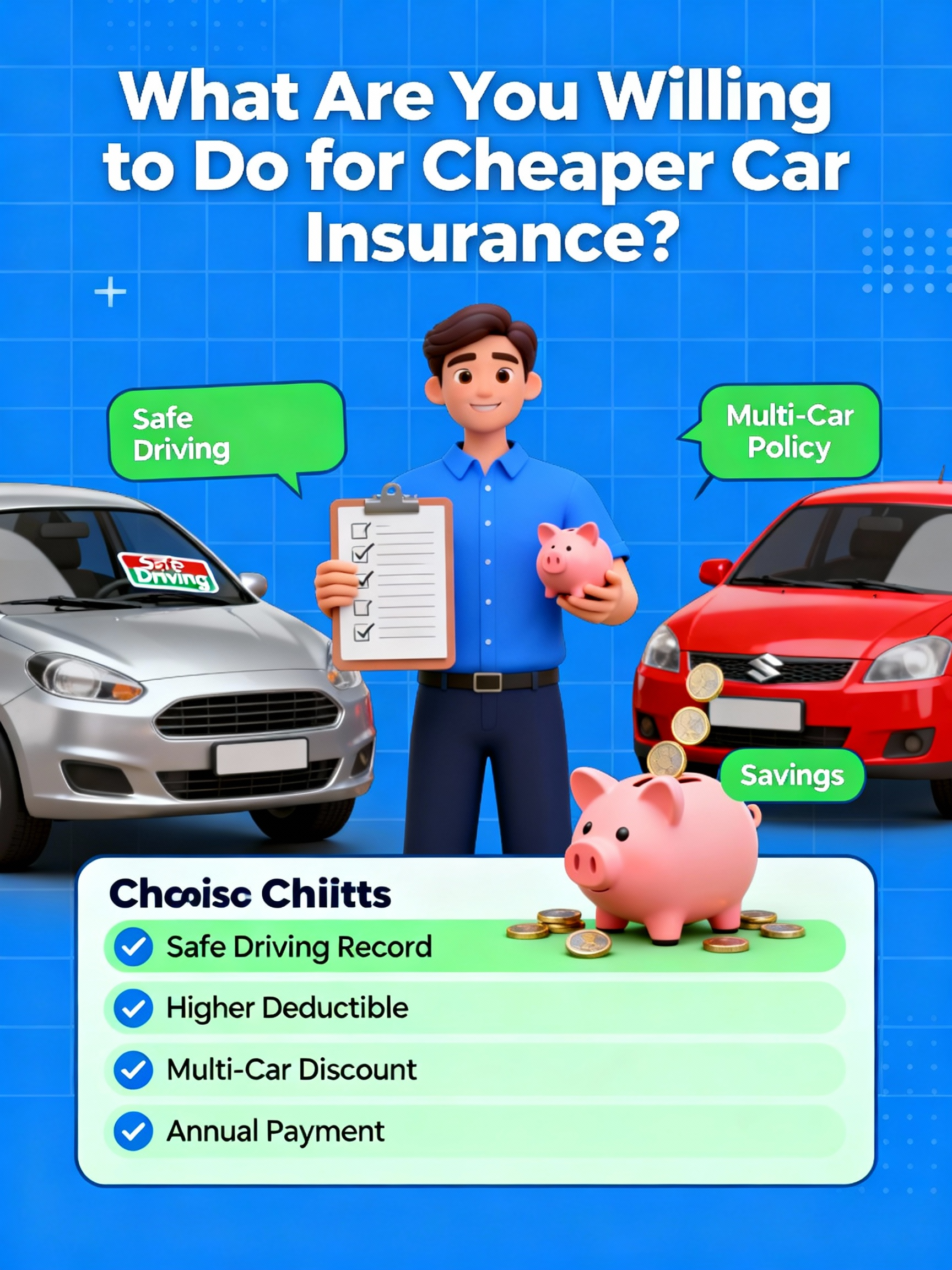
- Bundle your policies for automatic multi-line discounts.
- Increase your deductibles to reduce premiums.
- Review your coverage annually to avoid unnecessary protection.
- Improve your risk profile with safety features and home maintenance.
- Use an independent agent to shop multiple carriers on your behalf.
Price matters, but value — the right coverage at the right cost — matters more.
Insurance Should Be Stable, Not Cheap
Insurance is designed to protect your financial future. A low premium doesn’t help if the insurer can’t pay claims when disaster strikes. Rising premiums reflect the evolving realities of risk in a modern world.
As Susman emphasizes, “The best insurance is the one that’s still there when you need it.”
Knowledge Is the Best Protection
The next time your premium goes up, remember that the increase isn’t just about you. It reflects inflation, catastrophic losses, global reinsurance markets, consumer lawsuits, and regulatory pressures.
By understanding these forces, you become an informed policyholder — someone equipped to choose the right coverage, ask smart questions, and navigate a changing insurance landscape.
Insurance isn’t broken. It’s adapting to a world that’s changing faster than ever. And understanding how it works is the most valuable coverage you can have.
Keep me updated!