Keep me updated!
In California, homeowners struggling to find fire insurance have long relied on the California FAIR Plan, the state’s insurer of last resort. It was designed as a safety net for those who couldn’t secure coverage from private insurers, especially in wildfire-prone regions.
But that safety net is now under extreme strain. An ABC7 KGO investigation aired in December 2023 revealed widespread delays, technical failures, and overwhelming demand that are preventing homeowners from getting FAIR Plan coverage in a timely manner. In many cases, access itself — not just affordability — has become the newest crisis.
What was once a last-resort option is now a logistical bottleneck for hundreds of thousands of Californians living with wildfire risk.
How California’s Insurance Market Reached This Breaking Point
The California FAIR Plan (Fair Access to Insurance Requirements) was created in 1968 after destructive urban fires left thousands without coverage. Its purpose was to guarantee basic fire insurance when private insurers refused to write policies.
That fallback system is now being used at an unprecedented scale. Over the past five years, major insurers such as State Farm, Allstate, and Farmers have stopped writing or renewing policies in many wildfire-exposed areas. Climate-driven fire losses, rising reinsurance costs, and regulatory constraints have pushed carriers to sharply limit their exposure.
Homeowners like Mark and Alma O’Brien in Napa County experienced this firsthand. After their ranch survived a grassfire, their insurer dropped them anyway. “We went to probably three or four different carriers and got turned down,” Alma said. The FAIR Plan became their only option.
The FAIR Plan: Limited Coverage and Mounting Pressure
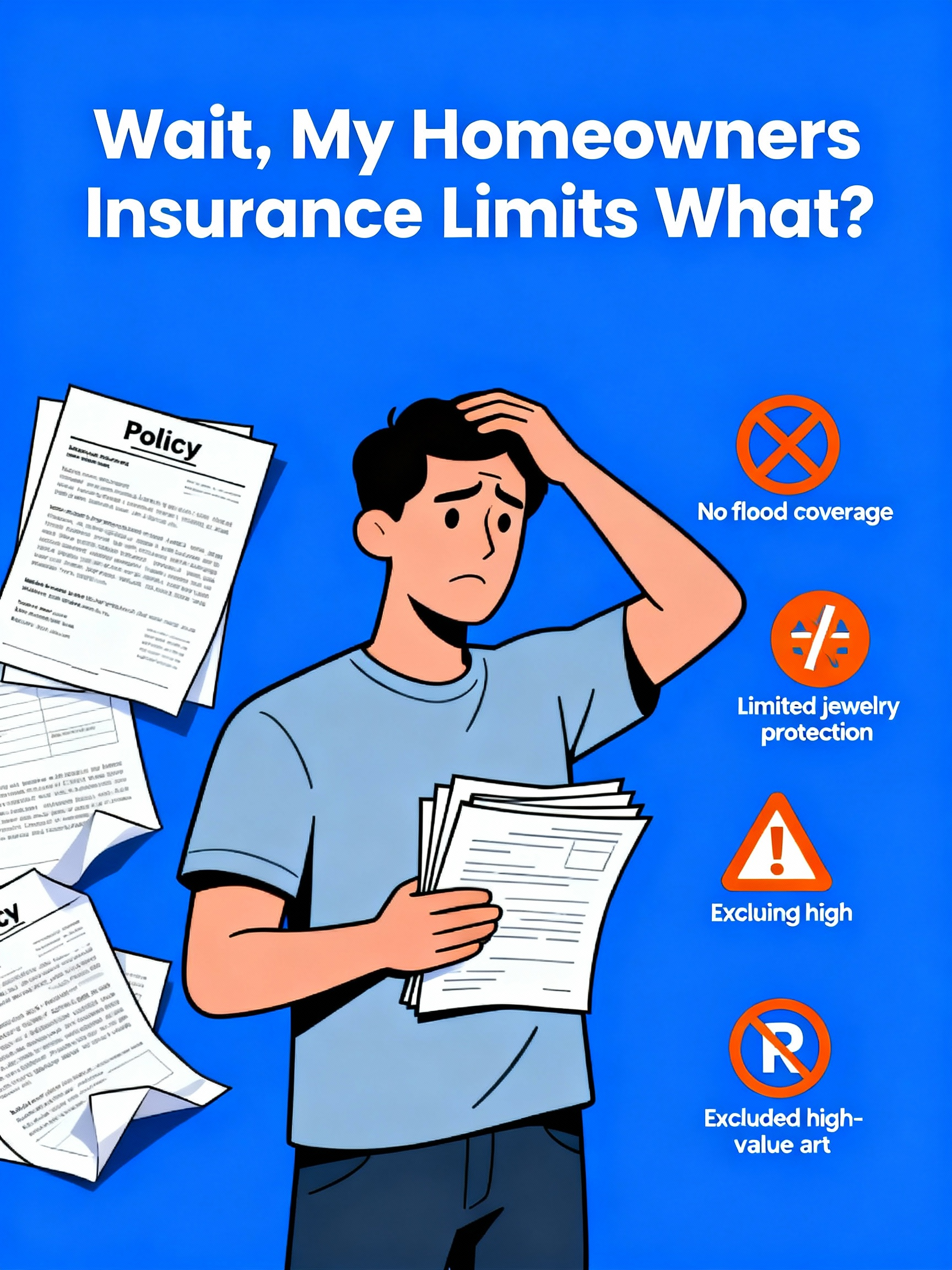
The FAIR Plan is not a full homeowners policy. It typically provides fire-only coverage with higher premiums and deductibles. Homeowners must purchase a separate Difference in Conditions (DIC) policy to cover theft, water damage, liability, and other common risks.
Demand has surged as private options disappear. The Department of Insurance reports that the FAIR Plan now serves more than 350,000 policies statewide — the highest level in its history. According to consumer advocate Amy Bach of United Policyholders, the plan is receiving roughly 1,000 applications per day.
At the same time, the FAIR Plan recently transitioned to a new computer system. The combination of overwhelming demand and technical problems has created severe processing delays and communication failures.
Four-Hour Hold Times and Weeks-Long Quote Delays
Insurance broker Karl Susman described the situation facing both agents and homeowners. “We have one person in the office that’s always on hold with the FAIR Plan because the hold time is four hours a day,” he said.
To cope, Susman’s office passes the phone around once someone finally reaches a representative, trying to process multiple applications before the line disconnects.
The FAIR Plan is now quoting 14 to 21 days just to issue a quote — a delay that can derail home purchases entirely. Insurance is required to close escrow, and many buyers traditionally shop for coverage just days before closing. That approach no longer works.
“When people are in escrow, they’re often looking for insurance two or three days before closing,” Susman said. “That’s not possible if they have to go with the FAIR Plan.”
Why Homebuyers Must Start the Insurance Process Early
The ABC7 investigation issued a clear warning to buyers. “If you’re buying a home, do not treat homeowners insurance as an afterthought,” reporter Michael Finney said. “Because if you do, you are for sure going to get burned.”
In today’s market, buyers in wildfire zones should begin exploring insurance options as soon as they start house hunting — not after their offer is accepted. Delays of even a week can jeopardize a transaction. Lenders, real estate agents, and insurers now must coordinate far earlier in the escrow timeline to avoid last-minute collapses.
Technology Failures and Staffing Shortages Behind the Bottleneck
The FAIR Plan’s difficulties are not solely caused by demand. Its recent migration to a new online platform was intended to streamline underwriting and improve access. Instead, agents report frozen accounts, lost applications, login failures, and system errors that prevent policies from being bound.
Combined with staffing shortages, these technology issues have produced a backlog of thousands of unprocessed applications. Consumer organizations report a flood of complaints from homeowners who cannot reach representatives or obtain even basic status updates.
As Bach explained, “Some agents are saying it’s taking two weeks to get a policy locked in, and there’s a lot of anxiety out there.”
Keep me updated!
A Systemic Crisis Across California’s Insurance Market
The FAIR Plan’s breakdown reflects deeper problems across California’s insurance ecosystem. Insurers argue they are constrained by rising wildfire losses and Proposition 103, the state’s 1988 law that limits how rates can be set and restricts the use of forward-looking catastrophe models.
Unable to price risk in real time, many carriers have restricted new business instead of raising rates fast enough to offset exposure. That has pushed more homeowners into the FAIR Plan than it was ever designed to handle.
Even Insurance Commissioner Ricardo Lara has acknowledged the system is under strain and has called for reforms to modernize risk evaluation and attract insurers back into high-risk markets.
A Small Financial Relief: New FAIR Plan Payment Options
Amid the frustration, there is one modest improvement. The FAIR Plan now offers payment plans for eligible policyholders. Previously, homeowners were required to pay the full annual premium upfront — often thousands of dollars at once.
The new installment option allows costs to be spread over several months, making coverage slightly more attainable. “It can really help some people afford this,” Susman said, encouraging homeowners to ask their brokers about eligibility.
The Human Toll of Delayed Coverage
For families like the O’Briens, navigating the FAIR Plan is not just an administrative challenge — it’s an emotional one. After surviving wildfire and losing private insurance, they now face weeks of uncertainty simply trying to secure basic protection.
Across California, confidence in the state’s insurance safety net is eroding. Homeowners accept wildfire risk as part of life, but few are prepared for the bureaucratic breakdown that now accompanies simply trying to get insured.
As Finney summed up, the situation is “really precarious for a lot of people — and it’s going to be costly.”
What California Homeowners and Buyers Should Do Now
Homeowners, buyers, and real estate professionals must adapt to this new reality with proactive planning.
Start the insurance process early — ideally before making a purchase offer.
Work with experienced independent brokers familiar with the FAIR Plan system.
Budget for higher premiums and limited coverage, and consider DIC policies to fill gaps.
Ask about installment payment options if upfront costs are prohibitive.
Keep detailed records of all applications, communications, and policy documents.
These steps won’t eliminate delays, but they can reduce the risk of catastrophic disruption during a transaction.
A Turning Point for California’s Insurance Safety Net
The FAIR Plan’s struggles expose how fragile California’s insurance infrastructure has become. Once a dependable last resort, it is now overwhelmed by climate risk, regulatory limitations, and technological missteps.
For homeowners, insurance now requires far more planning, persistence, and patience than ever before. For policymakers, the crisis is a clear warning: without a revived private market and a modernized FAIR Plan, Californians will continue to face both natural disaster and systemic breakdown at the same time.
Until meaningful reform arrives, getting insured in wildfire-prone California is no longer a simple transaction — it is an endurance test.
Keep me updated!