
California's insurer for people without private coverage needs $1 billion more for LA fires claims
Published Date: 02/12/2025
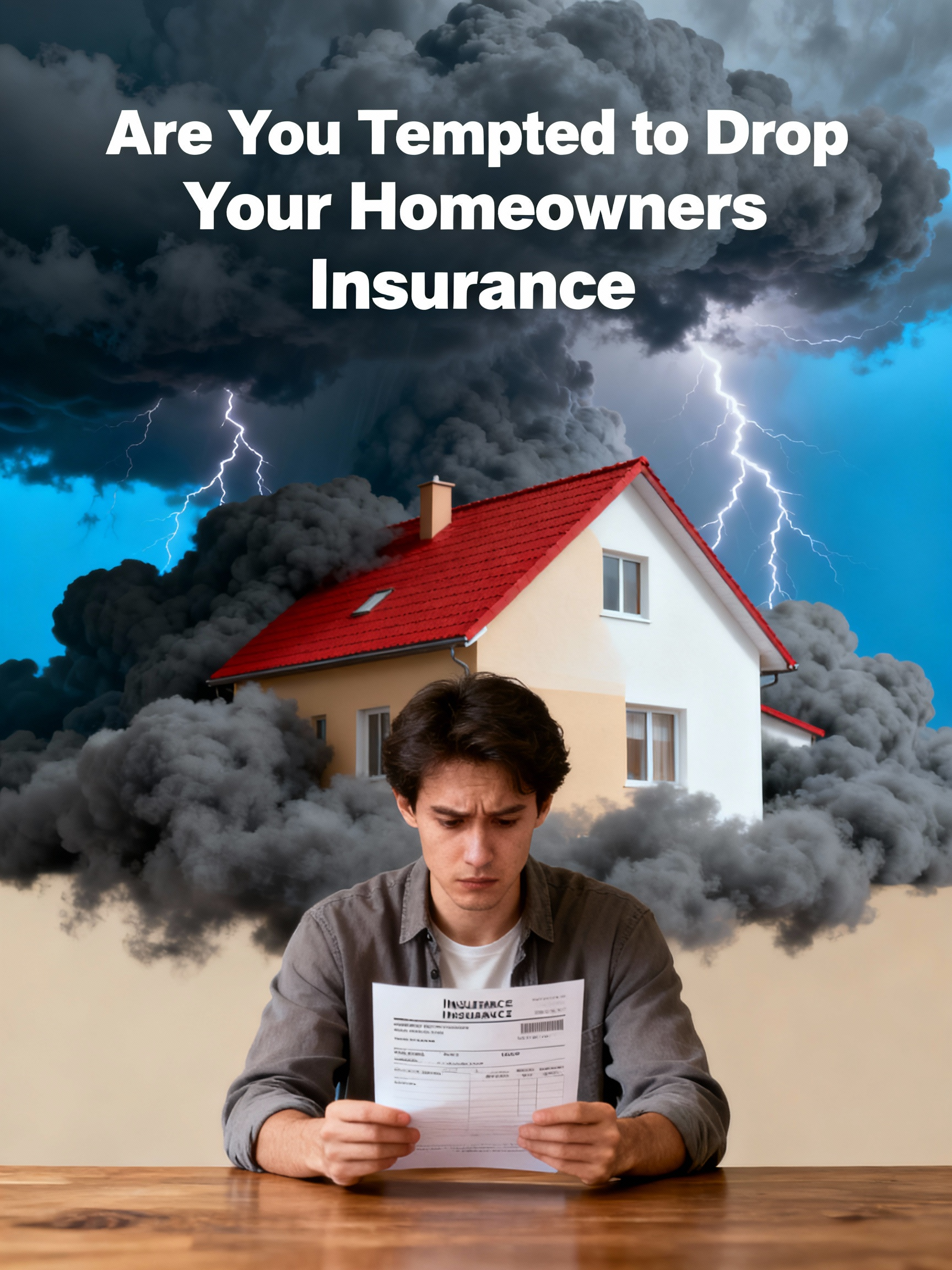
California’s insurance landscape is once again facing a financial crossroads — this time, centered on the state’s FAIR Plan, the insurer of last resort that provides coverage to homeowners who can’t obtain private insurance due to wildfire risk. Following the devastating Los Angeles wildfires, the FAIR Plan has requested an unprecedented $1 billion in additional funding to cover claims. The implications of this move ripple far beyond the immediate fire zones, potentially affecting every policyholder and insurer in the state.
The FAIR Plan’s Role in California’s Insurance Ecosystem
To understand the magnitude of this situation, it’s crucial to first understand what the California FAIR Plan Association is and how it operates.
Contrary to popular belief, the FAIR Plan is not a state-run or taxpayer-funded program. Instead, it’s a syndicate of all property insurers licensed to do business in California. Each participating insurer contributes to the plan’s resources and, in turn, shares in its risks and losses.
The FAIR Plan serves as a safety net for homeowners who have been denied coverage from private carriers — often those living in wildfire-prone regions like Malibu, Altadena, or the Sierra foothills. Over the past five years, as wildfires have become more frequent and severe, enrollment in the FAIR Plan has surged. What was once a niche program for high-risk properties has ballooned into a critical part of the state’s insurance infrastructure.
But with that growth comes risk — and cost.
Why the FAIR Plan Needs $1 Billion
Following the 2024 Los Angeles wildfires, thousands of homes were destroyed or severely damaged, triggering massive insurance claims. To meet its obligations, the FAIR Plan requested an additional $1 billion in assessment funding — the first such request in more than three decades. The California Department of Insurance (CDI) approved this extraordinary move, allowing the plan to assess private insurers to raise the necessary funds.
Insurance expert Karl Susman, speaking on the issue, noted that the industry had been bracing for even larger assessments — somewhere in the $3–5 billion range — based on preliminary loss estimates. This underscores just how deeply the FAIR Plan is intertwined with California’s broader insurance ecosystem: when it struggles, so does everyone else.
Who Pays: Insurers or Policyholders?
Here’s where things get complicated — and controversial.
Under the CDI’s decision, private insurance companies will bear half of the $1 billion cost directly. The other half, however, could be passed on to policyholders as a one-time surcharge — pending state approval.
That means Californians who already face rising premiums could soon see an additional charge on their policies, not for their own claims, but to help cover losses incurred through the FAIR Plan system.
Consumer advocacy groups, such as Consumer Watchdog, are pushing back hard. Executive Director Carmen Balber warns that this sets a dangerous precedent:
“Letting insurers off the hook for their FAIR Plan liabilities will encourage them to dump even more Californians on the FAIR Plan.”
In other words, if insurers can shift their FAIR Plan-related costs onto consumers, they have little incentive to return to high-risk areas — potentially worsening the coverage crisis.
The Broader Impact on California’s Insurance Market
The FAIR Plan’s funding challenge is not an isolated problem. It’s a symptom of a deeper structural issue in California’s insurance market — one defined by a decades-old regulatory system, rising climate risks, and limited pricing flexibility for insurers.
Since the passage of Proposition 103 in 1988, insurers have been required to seek prior approval for rate increases from the Department of Insurance. While the law was designed to protect consumers from unfair pricing, critics argue it has become too restrictive, preventing insurers from adjusting premiums to reflect the true cost of wildfire risk, reinsurance, and rebuilding expenses.
As a result, major carriers like State Farm and Allstate have paused or limited new home insurance policies in the state, citing unmanageable losses and regulatory gridlock. When private insurers pull out, the FAIR Plan becomes the only option for many homeowners — but it was never designed to serve millions of Californians. The result is an unsustainable feedback loop:
- Wildfires destroy homes →
- Private insurers limit exposure →
- More homeowners join the FAIR Plan →
- FAIR Plan faces massive losses →
- Costs are redistributed across the system.
Lessons from Past Disasters
Governor Gavin Newsom, who recently toured the Eaton Fire burn zone in Altadena, highlighted the state’s improved speed in debris removal and recovery — noting that this phase began just 35 days after the fires, twice as fast as after the Woolsey Fire (2018) and faster still than after the Paradise Fire (2018).
While the logistics of recovery have improved, the financial mechanisms underpinning insurance recovery have not kept pace. The FAIR Plan’s funding request signals that even incremental operational progress can be undermined by the sheer financial strain of catastrophic losses.
The Consumer Watchdog Perspective
Consumer advocates argue that the FAIR Plan’s current structure unfairly penalizes homeowners and shields insurers. They point out that insurers, by law, must participate in the FAIR Plan’s risk pool — but can reduce their exposure by pushing high-risk customers into the plan instead of writing coverage themselves.
Allowing insurers to pass costs from FAIR Plan assessments to consumers could, they argue, encourage more withdrawal from the voluntary market. This would leave the FAIR Plan holding an even larger share of the state’s high-risk exposure — potentially setting up a future cycle of escalating assessments and premiums.
Expert Insight: The Industry’s Balancing Act
Karl Susman’s remarks underscore the delicate balancing act between solvency and sustainability. With the FAIR Plan now holding roughly 25% of Southern California’s fire-related losses, insurers are rightly concerned about how these costs will be absorbed.
Susman reminds the public that:
“The FAIR Plan is not a government agency. There’s no tax money. It’s literally funded by the insurance companies.”
That distinction matters. It means that the FAIR Plan’s financial stability depends entirely on the private market’s ability and willingness to share in the burden. When the system becomes too strained, it risks breaking — and the ripple effects can hit everyone, from homeowners in rural areas to urban policyholders in low-risk zones.
The Road Ahead: Regulatory and Legislative Paths
As of now, no insurer has formally requested permission from the CDI to pass the FAIR Plan costs on to customers — but the door remains open. Any such move would require explicit state approval, and consumer groups have already pledged to challenge any cost-shifting efforts in court if they occur.
Meanwhile, lawmakers in Sacramento are under mounting pressure to modernize California’s insurance framework, potentially by revisiting elements of Proposition 103, expanding incentives for mitigation, and streamlining the rate approval process to reflect current climate realities.
Conclusion: A System at Its Breaking Point
The FAIR Plan’s $1 billion funding request represents more than just an accounting problem — it’s a flashing red light for California’s entire insurance system. As wildfires grow more destructive and private insurers retreat, the state is forced to confront uncomfortable truths about sustainability, fairness, and accountability.
For homeowners, the message is clear: the safety net is straining. For insurers, collaboration — not withdrawal — will be key to long-term viability. And for regulators, the challenge is balancing consumer protection with market functionality in an era when both are under unprecedented stress.
The California insurance crisis isn’t just about paying claims — it’s about rebuilding trust, reforming policy, and reimagining risk in a state that sits on the frontlines of climate change.
Author