
Common Insurance Mistakes and How to Avoid Them
Published Date: 12/13/2024
In the fast-moving world of insurance, even the most well-intentioned consumers often overlook critical gaps that could cost them thousands. From health emergencies to auto accidents and even family pets, small misunderstandings can have massive financial consequences.
In a recent episode of Insurance Hour, host and industry expert Karl Susman unpacked some of the most common — and surprising — insurance mistakes people make across every category: health, auto, life, property, and specialty lines.
The takeaway was clear: understanding your coverage is just as important as having it.
Critical Illness Insurance — The Missing Piece in Many Health Plans
One of the biggest blind spots in modern health coverage is critical illness insurance.
Even with good health insurance or an Affordable Care Act (ACA) plan, most people aren’t financially prepared for the real costs that follow a serious medical diagnosis. Conditions like heart attacks, strokes, or cancer can generate massive out-of-pocket expenses — not just from treatment, but from lost income, travel, and long-term recovery.
Susman explained that critical illness insurance can fill this gap:
“Your major medical policy covers treatment, but critical illness coverage gives you a cash benefit you can use for anything — mortgage, groceries, or lost wages.”
This type of coverage is especially important for self-employed individuals or families living paycheck to paycheck. The lump-sum benefit is typically tax-free and paid directly to the insured, giving financial flexibility at a time when it’s needed most.
Common mistake: Believing health insurance alone is enough. It isn’t — and a short-term medical or critical illness plan can prevent financial disaster.
HOA and Condo Board Liability — Protecting Decision-Makers
Another overlooked area of risk involves Homeowners Associations (HOAs) and condo boards. Serving on a board might seem like a volunteer duty, but it carries real legal and financial exposure.
“HOA board members are often surprised to learn they can be sued personally for decisions they make — or don’t make,” Susman explained.
That’s where Directors & Officers (D&O) insurance comes in. This policy covers the legal costs of defending board members against claims of mismanagement, discrimination, or negligence.
Without it, even a small dispute — like a landscaping contract gone wrong — can lead to personal financial liability.
Common mistake: Assuming the HOA’s general liability policy protects the board. It doesn’t. D&O coverage is a separate and essential safeguard.
Auto Insurance and Teen Drivers — Where Premiums Spike
Few topics cause more confusion (or financial shock) than insuring teenage drivers.
“The day your teen gets a license, your insurance costs will jump — there’s no getting around it,” Susman noted.
That’s because young drivers represent the highest-risk group on the road. However, there are ways to manage those costs:
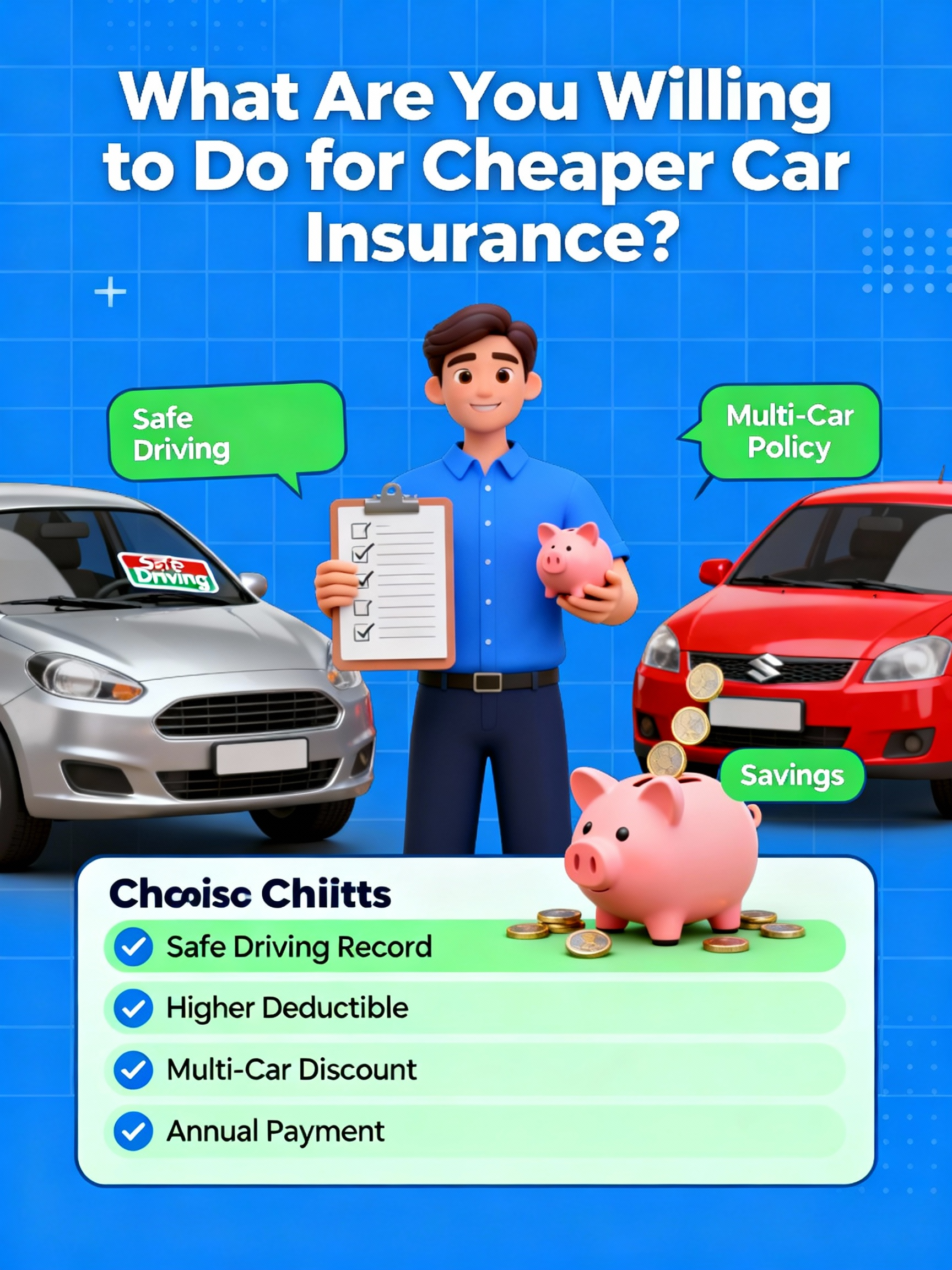
- Add your teen to your existing policy rather than getting a separate one.
- Choose a safe, used vehicle with high safety ratings and low repair costs.
- Ask your insurer about good student and driver education discounts.
- Increase your deductible to lower the monthly premium (but only if you can afford the risk).
For families with multiple drivers, shopping through an independent agent can uncover better options across carriers.
Common mistake: Forgetting to notify your insurer when your teen gets licensed. If an accident happens, the claim could be denied for misrepresentation.
Pet Insurance — A Lifeline for Animal Lovers
Vet bills have skyrocketed in recent years, with treatments for serious illnesses now rivaling human healthcare costs. Yet many pet owners still skip pet insurance, assuming it’s too expensive or unnecessary.
Susman disagrees:
“Pet insurance today can be surprisingly affordable, and it can save you from heartbreaking choices when emergencies happen.”
Policies generally cover accidents, illnesses, and surgeries — but not routine care unless you add a wellness plan. The key is to enroll pets while they’re young and healthy, before pre-existing conditions arise.
Common mistake: Waiting until your pet is sick or older to apply. Once a condition appears, it’s usually excluded for life.
Life Insurance for New Parents — Starting Too Late
Becoming a parent is one of life’s biggest milestones — and one of the most financially risky if unprotected.
“If someone depends on your income, you need life insurance — period,” Susman said plainly.
Too often, young parents delay buying life insurance, believing it’s expensive or unnecessary. In reality, term life coverage for a healthy adult can cost less than a streaming subscription.
And the earlier you buy, the cheaper it stays. Waiting until your 40s or after a health event can double or triple premiums.
For most families, term life insurance provides the best value — offering substantial protection for 20 to 30 years during the highest-need phase of life.
Common mistake: Relying only on employer-provided coverage. It’s temporary and often insufficient. Always own a personal policy that follows you from job to job.
Classic Cars — The Limits of Standard Auto Policies
Many car enthusiasts proudly insure their vintage vehicles through standard auto carriers — unaware that they’re grossly underinsured.
“A 1965 Mustang isn’t a 2020 Honda,” Susman reminded listeners. “Standard policies pay actual cash value — and that’s not what your classic car is worth.”
The solution is agreed value insurance, available through specialty carriers. These policies allow the owner and insurer to agree on the car’s insured value upfront, ensuring full payout in case of total loss.
Classic car coverage also accounts for:
- Limited use (e.g., exhibitions and weekend drives)
- Specialized repair or restoration shops
- Authentic parts replacement
Common mistake: Using standard auto coverage for a collectible car. It can leave you tens of thousands short after an accident or theft.
Renters Insurance — Covering More Than Just Renters
Many tenants assume their landlord’s insurance protects their belongings. It doesn’t.
Renters insurance covers personal property, liability, and additional living expenses if your unit becomes uninhabitable after a fire, water damage, or theft.
But even policyholders often underestimate their coverage needs. Valuable items like jewelry, art, and electronics may exceed standard policy limits — often capped at $1,500 per category.
“People are shocked when they realize their $10,000 wedding ring isn’t covered after a burglary,” Susman noted.
To avoid this, schedule high-value items separately under a personal articles floater or endorsement. It’s affordable and offers worldwide protection.
Common mistake: Assuming renters insurance automatically covers luxury items. Always review sub-limits for valuables.
Food Truck and Mobile Business Insurance — Coverage on Wheels
The rise of food trucks and mobile vendors has created a new set of insurance challenges. These hybrid businesses require commercial auto coverage and business liability insurance — not one or the other.
A standard auto policy won’t cover a vehicle used for business purposes, and a general liability policy won’t cover auto-related accidents.
Susman’s advice:
“Treat your food truck like a restaurant on wheels. It needs both types of coverage — otherwise, you’re exposed on both fronts.”
Owners should also explore equipment breakdown and business interruption coverage, since a single mechanical failure could halt operations for days or weeks.
Common mistake: Relying solely on personal auto insurance for a business vehicle. It leaves both the business and the owner personally liable.
Why These Mistakes Keep Happening
The recurring theme across all these insurance pitfalls is assumption — the belief that coverage is broader or simpler than it really is.
In reality, every policy has exclusions, limits, and conditions that can drastically alter your protection. Consumers rarely read the fine print, and many agents don’t take the time to explain it thoroughly.
Susman urged listeners to take a more active role:
“You don’t have to be an expert — but you should know what’s in your policy, what’s not, and who to call when something goes wrong.”
Action Steps: How to Protect Yourself from Hidden Gaps
To stay covered — truly covered — homeowners, renters, and drivers should:
- Schedule an annual policy review with a trusted broker.
- Bundle policies (auto, home, life) where possible for savings.
- Ask questions — about exclusions, deductibles, and limits.
- Update coverage after major life changes (marriage, baby, new job, etc.).
- Keep documentation organized and accessible.
The most expensive insurance mistake isn’t the one you make — it’s the one you don’t realize you’ve made until it’s too late.
Final Thoughts
From critical illness protection to classic car coverage, insurance isn’t just about paying premiums — it’s about managing risk intelligently.
As Karl Susman’s discussion made clear, insurance literacy is financial literacy. The more you understand how coverage works, the less likely you are to face catastrophic loss when life surprises you.
So whether it’s reviewing your renters policy, adding D&O coverage to your HOA, or finally protecting that restored Corvette — the time to act is now.
Because in the world of insurance, what you don’t know really can hurt you.
Author