
Modern Risks, Modern Insurance: Adapting to Today’s Evolving Coverage Needs
Published Date: 12/27/2024
In today’s complex world, the risks we face are no longer limited to the physical. From cyber attacks that can cripple a business to earthquakes that devastate communities and teen drivers navigating their first solo trip, the scope of modern insurance has expanded dramatically.
In a recent episode of Insurance Hour, host and insurance expert Karl Susman tackled this wide spectrum of coverage questions, helping listeners understand how evolving risks demand smarter, more comprehensive protection. Whether you’re a homeowner, small business owner, or parent of a new driver, this episode underscored one truth: insurance is no longer one-size-fits-all — it’s a living system that must evolve with you.
1. Cyber Threats: The Invisible Catastrophe
We often think of insurance as protection against fire, theft, or natural disaster. But as Susman emphasized, one of the most urgent modern perils is digital.
“If your business or household connects to the internet, you’re exposed,” he warned.
Cyber insurance is now a critical safeguard, covering losses related to:
- Data breaches and ransomware attacks
- Identity theft and wire fraud
- Business interruption due to system downtime
- Legal and notification costs after customer data leaks
Why It Matters:
Cybercrime losses exceeded $12.5 billion globally in 2023, and small businesses are frequent targets because they lack dedicated cybersecurity infrastructure. Many assume general liability or property insurance will protect them — but those traditional policies almost never cover cyber incidents.
The Coverage Gap:
Susman noted that cyber policies vary widely:
- “Some cover ransomware but not social engineering. Others might exclude certain types of fraud entirely.”
Pro Tip:
Always confirm whether your cyber policy includes business interruption coverage. If your systems are down for days or weeks, that lost income can be the difference between survival and closure.
2. Earthquake Insurance: The Overlooked Necessity
California residents, Susman stressed, live on one of the most seismically active fault lines in the world — yet fewer than 10% of homeowners carry earthquake insurance.
“The problem isn’t that people don’t know the risk,” he said. “It’s that they assume their homeowners policy covers it — and it doesn’t.”
The Myth of Homeowner Coverage:
Standard homeowner policies exclude earth movement of any kind — including earthquakes, landslides, and sinkholes. That means if a quake causes structural damage, you’re entirely responsible for repairs unless you’ve purchased separate earthquake insurance.
How Earthquake Policies Work:
California’s Earthquake Authority (CEA) provides most residential policies in the state. Coverage typically includes:
- Dwelling protection for structural damage
- Personal property coverage for contents
- Loss of use for temporary housing
However, deductibles are high — often 10–25% of the home’s insured value.
Susman explained that while this can feel steep, it’s designed to make earthquake insurance affordable while still offering catastrophe protection.
“The key is to think of it as true disaster coverage — not for cracked tiles, but for rebuilding your life after a total loss.”
Pro Tip:
If your home is newer or retrofitted for seismic resilience, ask your agent about discounts. Many insurers now offer reduced rates for homes meeting modern structural safety standards.
3. Business Insurance: Bars, Restaurants, and Liquor Liability
Several listener questions focused on business operations — particularly hospitality and service industries.
One caller who owned a bar asked about insurance needs for serving alcohol. Susman’s answer was firm:
“If you’re selling or serving alcohol, you need liquor liability insurance. Period.”
What It Covers:
Liquor liability protects your business if a patron you served causes injury or property damage while intoxicated. Without it, even one lawsuit could wipe out a small establishment.
Broader Business Coverage:
Susman reminded listeners that hospitality insurance should never be limited to liquor liability alone. A solid policy suite should include:
- General liability (injury or property damage)
- Business property (fire, theft, vandalism)
- Workers’ compensation (employee injuries)
- Business interruption (lost income after a covered event)
“Every bar or restaurant has unique exposures,” he explained. “A diner and a nightclub aren’t the same risk. Your coverage shouldn’t be identical either.”
4. Flood Insurance: The Misunderstood Risk
Flooding is the most common natural disaster in the United States, yet standard homeowners insurance does not cover flood damage.
Many Californians believe flood insurance is only necessary near rivers or coasts, but as Susman pointed out, that’s a misconception.
“Anywhere it rains, it can flood.”
Flood insurance is typically offered through the National Flood Insurance Program (NFIP) or private carriers. It covers:
- Structural damage to the home
- Electrical and plumbing systems
- Personal property, depending on the policy
Pro Tip:
Check if you’re in a “low-risk” flood zone. Even if your mortgage doesn’t require flood coverage, 25% of all flood claims come from moderate-risk areas.
With atmospheric river events becoming more frequent, optional flood coverage is fast becoming a necessity.
5. Landlord and Tenant Insurance: Overlapping Responsibilities
Another listener asked about renting out property and whether the landlord or tenant should hold coverage.
Susman explained that both parties need their own policies.
- Landlord insurance (also called dwelling fire) covers the structure, landlord liability, and loss of rental income.
- Renter’s insurance covers the tenant’s belongings and liability if they cause damage to the property or others.
“Landlords often assume the tenant’s policy covers their building — it doesn’t. And tenants assume the landlord’s policy covers their stuff — it doesn’t.”
Each side has a financial interest to protect, and having both policies in place ensures smoother claims handling if something goes wrong.
6. Health and Maternity Insurance: Understanding Coverage Timing
Health insurance can be one of the most misunderstood — and emotionally charged — topics in insurance. A listener called in to ask whether maternity coverage can be added after pregnancy begins.
Susman’s answer:
“Generally, no. You can’t add coverage for something that’s already in progress.”
Pregnancy is considered a pre-existing condition under most plans, and coverage typically applies only if the policy was in effect before conception.
The lesson? Plan ahead. Review your health coverage annually, especially before major life milestones like marriage or starting a family.
7. Teen Drivers: The Hidden Costs of Independence
Perhaps the most relatable segment of the show came when a parent asked about adding their teenage son to their auto insurance.
Susman laughed knowingly — “It’s not cheap,” he admitted — but offered important context.
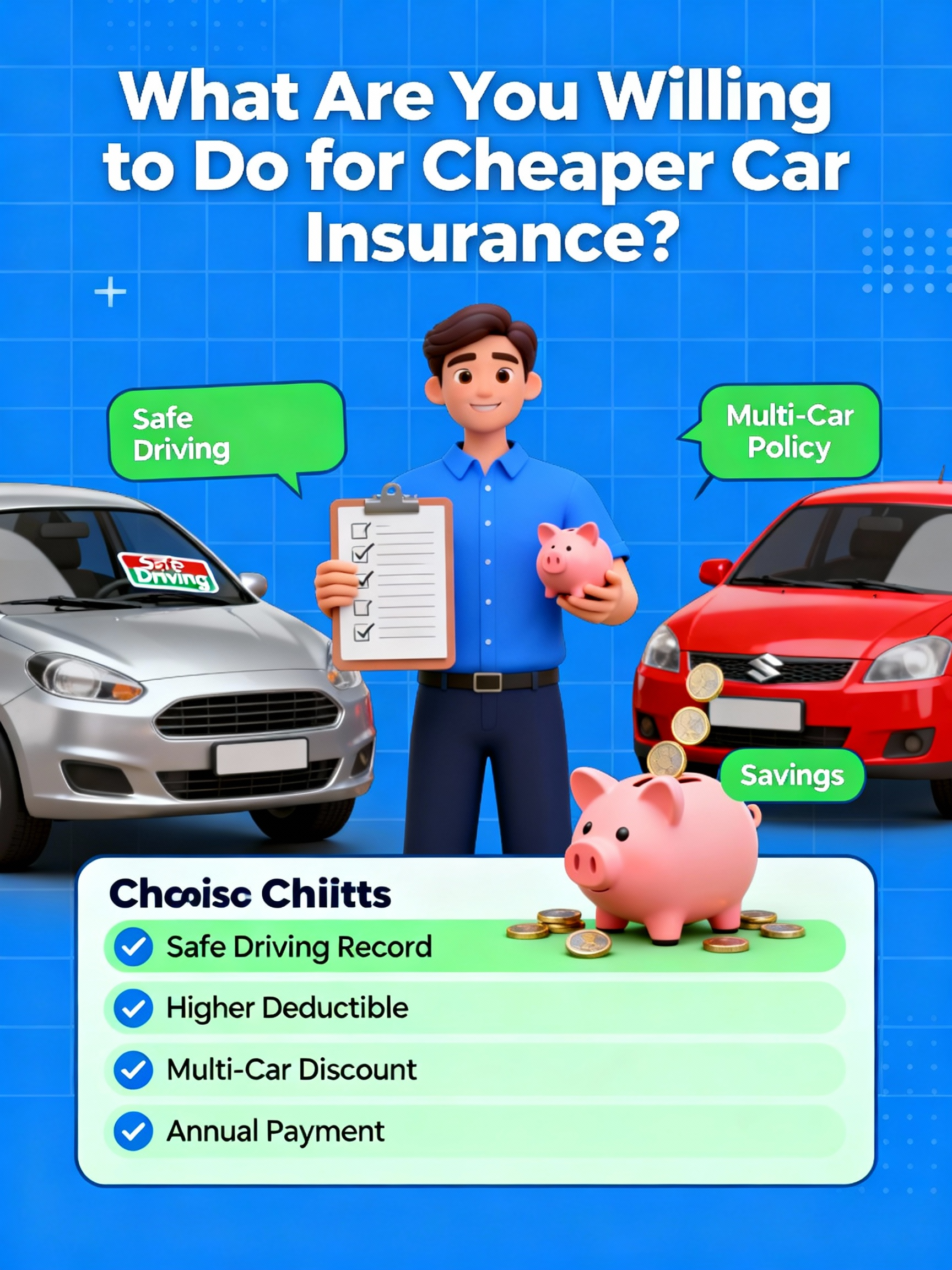
Adding a teen driver can increase your premium by 50–150%, depending on the insurer. The reason is simple: teens are statistically the most accident-prone demographic on the road.
How to Manage Costs:
- Good student discounts: Many carriers reward high GPAs.
- Driver training programs: Completing a certified course can lower premiums.
- Telematics programs: Apps that monitor driving behavior can yield up to 30% savings for safe habits.
- Separate vehicles: If your teen drives a low-value car, consider liability-only coverage.
“The key is communication,” Susman said. “Let them know what’s at stake. Every accident doesn’t just cost money — it builds a record.”
8. The Common Thread: Education Equals Empowerment
Across cyber threats, earthquakes, and teen drivers, one message stood out: insurance is about being proactive, not reactive.
Susman’s advice to listeners was consistent:
“Don’t wait for a claim to find out what your policy doesn’t cover.”
The insurance landscape is evolving rapidly — from digital risks to natural catastrophes — and the best defense is knowledge. Review your policies annually, ask questions, and work with an agent who understands your full picture, not just one policy.
Final Thoughts
From the bar owner protecting against liability to the parent teaching their teen to drive responsibly, the modern insurance ecosystem touches every corner of daily life.
As Karl Susman reminded listeners, the point isn’t to live in fear of risk — it’s to live prepared.
“Insurance isn’t about predicting disaster,” he said. “It’s about giving you the confidence to keep moving forward when it happens.”
Because whether it’s a hacker halfway across the world, a tremor under your feet, or a teenager behind the wheel — the right coverage turns chaos into recovery.
Author