
Smart Insurance Choices Every Homeowner and Driver Should Know
Published Date: 12/06/2024
Insurance isn’t just about paying premiums — it’s about making sure those dollars work for you when life happens. Whether you’re a homeowner in wildfire territory, a rideshare driver navigating complex coverage, or a crypto investor looking for digital protection, understanding your options is the key to saving money and avoiding devastating losses.
In a recent episode of Insurance Hour with Karl Susman, listeners called in with real-world questions that revealed how complicated — and crucial — modern insurance decisions have become. From California’s FAIR Plan to flood insurance and usage-based auto programs, Susman explained how smart choices today can prevent financial chaos tomorrow.
California FAIR Plan for High-Risk Homeowners
Carlos from San Bernardino raised a question thousands of Californians now face: Is the FAIR Plan a good option when standard insurers refuse coverage?
Susman’s answer was direct — it depends. The California FAIR Plan is a last-resort option for homeowners in wildfire-prone or high-risk areas. It provides fire-only coverage, protecting against losses from fire and lightning, but it excludes major risks like theft, liability, and most water damage.
To restore full protection, Susman recommends pairing a FAIR Plan policy with a Difference in Conditions (DIC) policy from a private insurer.
“Think of the FAIR Plan as your fire protection,” he explained. “Then add a DIC policy to restore everything else your regular homeowners insurance would normally cover.”
The key takeaway is that the FAIR Plan isn’t ideal, but it is far better than being uninsured. A licensed broker is essential to correctly structure this two-policy solution.
Flood Insurance and the False Sense of Security
Jake from San Diego asked whether his homeowners policy would cover flood damage because his home was near the coast. The answer was unequivocal: flood damage is never covered under a standard homeowners policy.
Flood insurance must be purchased separately through FEMA’s National Flood Insurance Program (NFIP) or from private insurers. Pricing varies based on elevation, proximity to water, and prior flood history.
Susman emphasized that FEMA is not always the cheapest option and that private flood policies may offer better coverage at similar or even lower cost. With California experiencing more atmospheric rivers and urban flooding, flood coverage is no longer optional for many homeowners.
Cryptocurrency and Insurance Gaps
Colton from Manteca asked whether cryptocurrency can be insured under a homeowners policy. Susman’s response reflects the current reality: most homeowners policies exclude all forms of currency, including digital assets like Bitcoin and Ethereum.
At present, cyber insurance may eventually evolve to offer protection for certain crypto risks, such as hacking or exchange theft. Until then, prevention is the primary form of protection.
Best practices include using insured trading platforms, enabling multi-factor authentication, and keeping digital keys in cold storage. For now, crypto remains largely outside the traditional insurance safety net.
Disability Insurance for Income Protection
Noah from Chula Vista, who is self-employed, asked whether disability insurance is worth pursuing. Susman was firm: it is absolutely worth having, but it is not simple to obtain.
Disability insurance replaces a portion of your income if illness or injury prevents you from working. For self-employed professionals, it can be the difference between financial stability and financial collapse. Underwriting is strict, verifying both income and health to prevent over-insurance.
Susman advised working with a specialist broker and understanding the difference between short-term and long-term disability, as well as own-occupation versus any-occupation coverage definitions.
Earthquake Insurance as a California Necessity
Marcus from Bakersfield questioned whether earthquake insurance was excessive. Susman’s response was straightforward: in California, it is not optional from a risk standpoint.
Standard homeowners insurance excludes earthquake damage entirely. Without a separate earthquake policy, homeowners could suffer a total loss with no payout. Susman highlighted GeoVera as a carrier offering flexible earthquake coverage with deductibles starting as low as 2.5%.
His personal endorsement underscored the importance of the coverage, noting that his own earthquake policy is with GeoVera.
Usage-Based Auto Insurance and Privacy Concerns
Max from Moorpark asked whether telematics-based auto insurance programs are worth using. These programs track driving behaviors such as braking, speed, and acceleration in exchange for potential discounts.
Susman explained that safe drivers can often save 10–30% using these programs, but transparency is critical. Drivers must fully understand what data is being collected, how it is used, and who has access to it.
If you are uncomfortable with data sharing, you should not enroll until everything is explained in writing.
Rideshare Drivers and Coverage Gaps
Joshua from El Monte drives for a rideshare company and wanted to know if his personal auto policy protects him while driving for work. Susman explained that rideshare driving involves four distinct risk periods: waiting for a fare, en route to pick up a passenger, transporting the passenger, and driving after drop-off.
Rideshare companies provide limited coverage with high deductibles, and personal auto policies typically exclude commercial use. To avoid dangerous gaps, Susman recommends purchasing a rideshare endorsement or hybrid commercial policy to ensure continuous protection across all driving phases.
Short-Term Rentals and Homeowners Insurance Limits
Ethan from Glendale rents out a spare room through a short-term rental platform and asked if his homeowners policy covers him. Susman explained that once a homeowner rents any portion of their property, the exposure changes from personal to commercial use.
Standard homeowners policies are not designed to cover short-term rental risks. Many insurers now offer home-sharing endorsements to fill this gap. Without proper coverage, one guest injury or major loss could expose the homeowner to substantial financial liability.
Choosing the Right Deductible
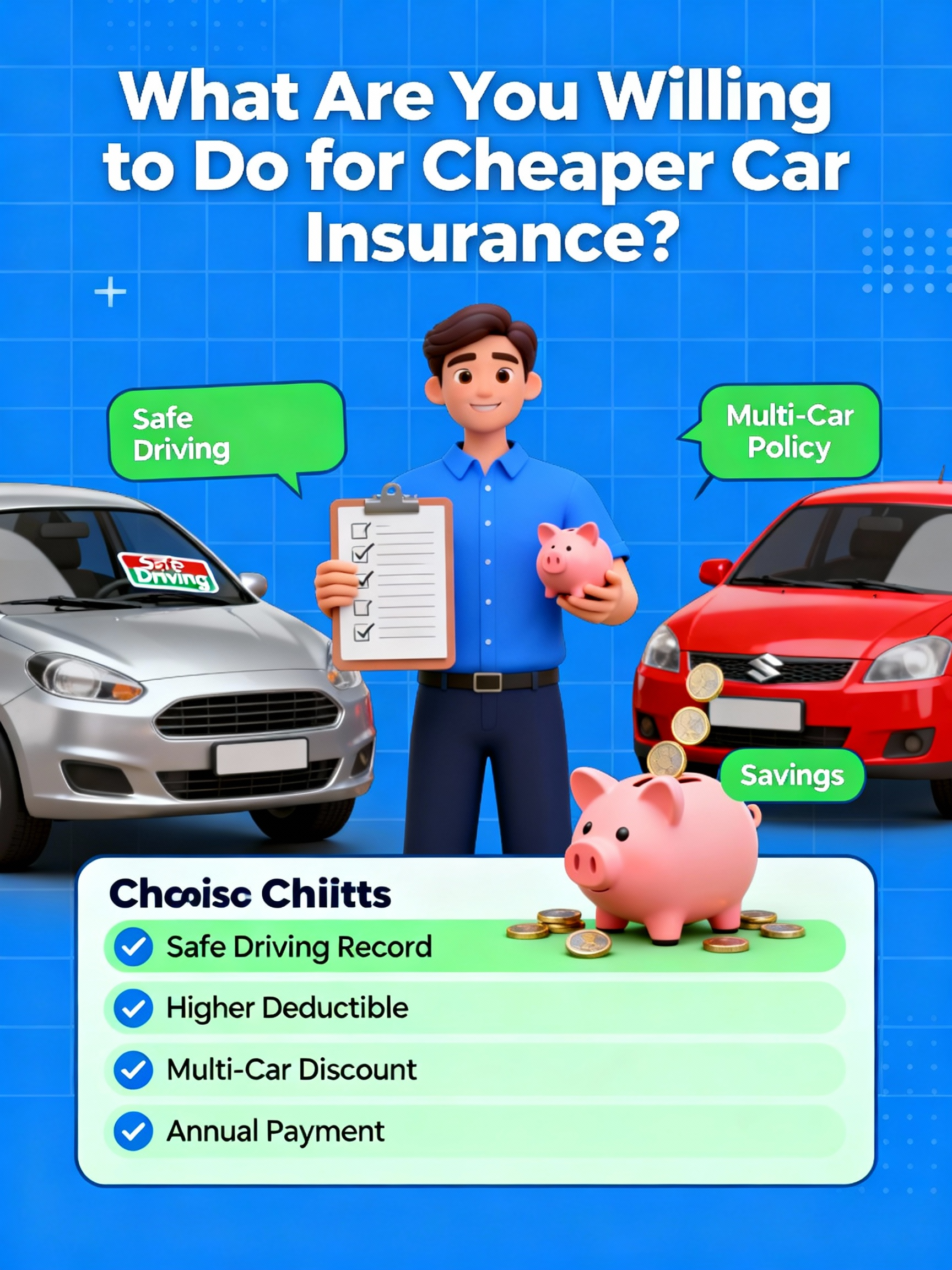
Jason from Fresno asked whether raising his auto deductible was a smart way to save money. Susman agreed that higher deductibles reduce premiums, but only if the deductible remains affordable.
A deductible should never be set so high that a moderate accident creates financial hardship. If a policyholder would not file a $500 or $1,000 claim anyway, increasing the deductible may be sensible. But deductibles must always reflect realistic cash reserves.
Underground Utility Lines and Service Line Coverage
Jason also raised a lesser-known issue: underground utility lines. Susman confirmed that most homeowners policies do not cover damage to water, sewer, or electrical lines between the home and the street.
However, many insurers offer affordable service line endorsements that fill this gap for a modest annual cost. These endorsements can prevent unexpected repair bills that run into the thousands.
The Takeaway on Smarter Insurance Decisions
What made this episode of Insurance Hour so powerful was the realism of every scenario. From FAIR Plan coverage to crypto exclusions and rideshare risks, the questions reflect the modern insurance landscape — complex, technology-driven, and constantly evolving.
Susman’s core message was simple and universal: if you’re wondering whether something is covered, you’re probably right to ask — because it might not be.
Insurance is not just paperwork. It is financial protection. And the more you understand how it works, the more control you have over your home, your income, and your future.
Author