
State Farm's Emergency Rate Hearing: A Turning Point for California's Insurance Crisis
Published Date: 04/11/2025
California's insurance market is in the midst of a reckoning, and the latest flashpoint comes in the form of State Farm's emergency request for a 17% rate increase. This move, debated intensely at a recent hearing before the California Department of Insurance (CDI), has far-reaching implications for the state's homeowners, insurers, and regulatory framework. Insurance expert Karl Susman joined Insurance Hour to provide an in-depth breakdown of the situation, explaining why this hearing is more than just a corporate request—it’s a critical test of California's insurance market and its ability to handle the evolving risks of climate change.
Why State Farm Needs More Money: A Financial Squeeze
At the core of the dispute is State Farm’s assertion that it is on the brink of financial collapse unless it can raise rates immediately. Susman emphasized that the company’s financial problems go beyond profit concerns—they stem from the increasing strain on insurers dealing with California’s ever-growing wildfire risk. State Farm has been downgraded by credit rating agencies like AM Best and S&P, signaling that its California operation is in serious financial trouble.
The proposed 17% rate increase is positioned as an emergency measure to inject capital into State Farm's California arm and stabilize its operations. According to Susman, State Farm has pledged to refund policyholders if the increase proves unnecessary, offering a safeguard for consumers—but this is about more than just cash flow.
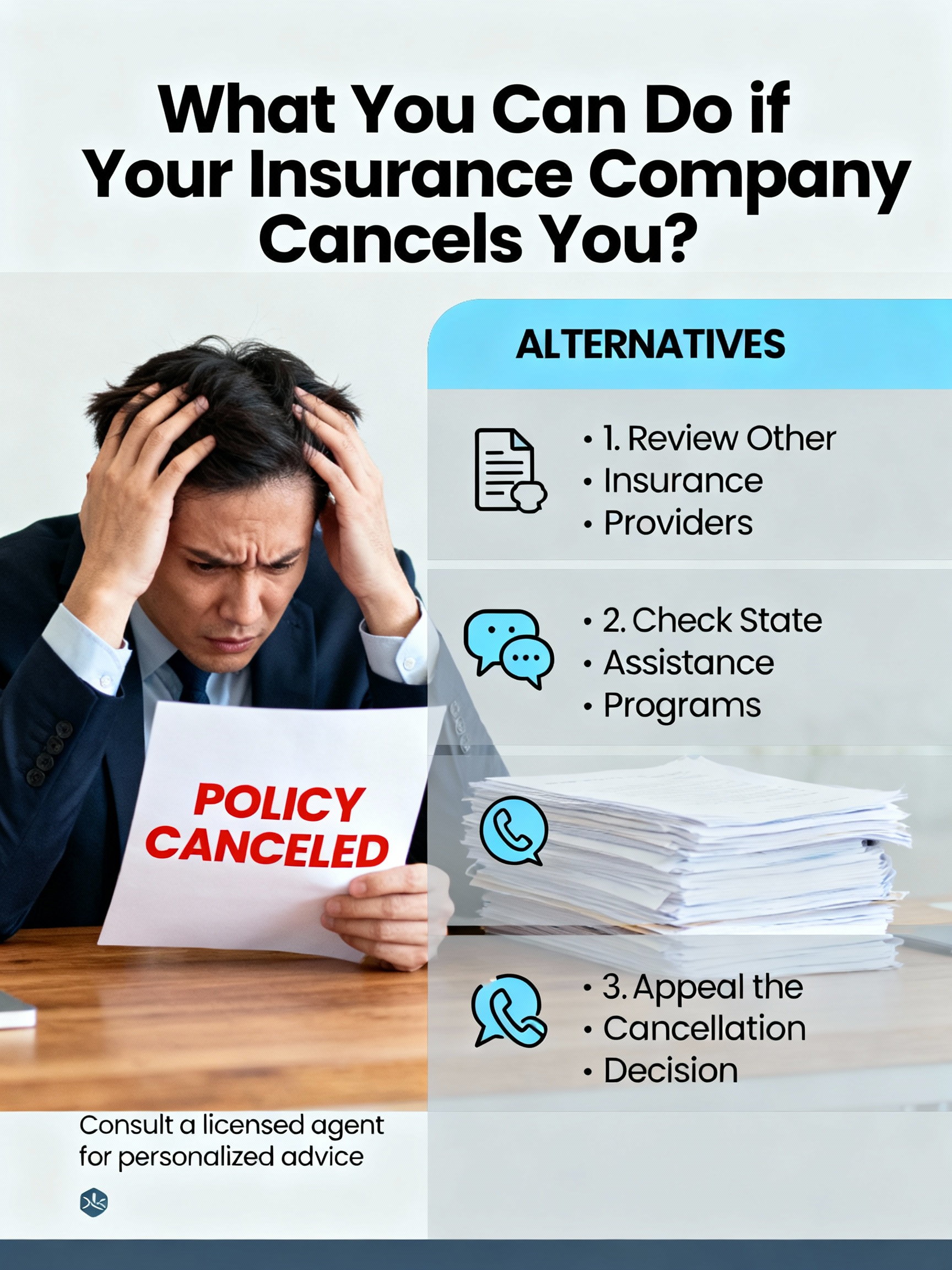
“Without this increase, State Farm faces the real threat of policy cancellations, mortgage recalls, and a massive exit from the market,” Susman warned. If insurers can’t meet their solvency requirements, the only alternative is for them to drastically reduce exposure, which could lead to more Californians ending up on the FAIR Plan, California’s state-backed insurer of last resort. However, the FAIR Plan wasn’t designed to handle such a massive influx of policyholders, risking its long-term stability.
The Department of Insurance’s Stance: A Pragmatic Approach
In an unusual move, the California Department of Insurance has aligned with State Farm’s request, supporting the need for the rate increase. The department’s primary concern is market stability. Susman explained that without solvent insurers, the entire California insurance market could collapse, leaving homeowners without coverage.
The CDI has taken a calculated risk by agreeing that the 17% increase is justified. This emergency measure, Susman notes, ensures that if the rate increase proves to be excessive, State Farm will have to refund policyholders the difference plus interest—an important political safeguard. However, as Susman observes, this decision reflects a pragmatic approach to stabilize the system while providing some accountability.
“Market stability must come first,” Susman stated. “Without solvency, you can’t protect consumers.”
Consumer Watchdog’s Opposition: The Battle Over Proposition 103
On the other side of the debate stands Consumer Watchdog, a vocal critic of the insurance industry and the regulatory framework. The group contends that State Farm's request violates Proposition 103, a law passed in 1988 that mandates insurers to justify rate hikes based on historical data and receive prior approval from the Department of Insurance. They argue that financial hardship alone isn’t a valid reason for a rate increase under the law.
Moreover, Consumer Watchdog raised concerns about setting a dangerous precedent for future rate hikes. They argued that if this emergency measure is approved, other insurers could follow suit, bypassing the established process by simply claiming financial distress.
Susman countered these points, stating that the idea of companies simply “declaring hardship” is not a realistic business practice. “No insurer wants to go through an emergency hearing,” Susman emphasized. “It’s public, it’s political, and it invites scrutiny. This is a last resort.”
While Consumer Watchdog’s concerns about transparency and consumer protection are valid, Susman believes they overlook the fundamental issue: the current regulatory structure is unable to account for the modern risks insurers face, especially in a state like California that is prone to wildfires and other climate-driven catastrophes.
The Hearing: “Theater” With Real-World Consequences
While the three-day hearing in Oakland garnered significant attention, Susman described it as “theater” due to the procedural realities. The administrative law judge overseeing the hearing has no final say in the decision; they can only make recommendations to the Insurance Commissioner, who has the ultimate authority. Given that the CDI has already expressed support for the rate increase, Susman believes approval is virtually certain.
Despite this, the hearing was important in ensuring public accountability and offering all stakeholders the chance to present their arguments on the record. Susman added that hearings like these provide valuable insight into the complexities of the state’s insurance market and how regulators are balancing solvency with consumer protection.
What Happens Next: A Shifting Landscape for Homeowners
If the 17% increase is approved, homeowners with State Farm policies will likely see higher premiums within months. However, Susman stresses that the alternative—widespread market exits and policy cancellations—would lead to even worse outcomes for consumers. With fewer private insurers writing new policies, more Californians could be pushed onto the FAIR Plan, which is already stretched thin.
For homeowners navigating this volatile environment, Susman offers several pieces of advice:
- Don’t let your policy lapse. Once your policy is dropped, it’s difficult to find new coverage, especially in high-risk areas.
- Shop early. Begin your renewal process months in advance, as insurers are becoming more selective about underwriting.
- Review your dwelling coverage limits. Ensure your policy reflects current construction costs, which have skyrocketed due to inflation and supply chain disruptions.
- Invest in mitigation. Implementing fire-hardening measures like ember-resistant vents and defensible space may help reduce premiums in the long term.
- Document everything. Keep a detailed inventory of your belongings, as this will expedite the claims process if disaster strikes.
A Broader National Trend: What California’s Crisis Means for the Nation
California’s insurance crisis is not isolated. Other states like Florida, Texas, and Colorado are also grappling with similar challenges, as insurers retreat from high-risk areas due to increasing disaster-related losses. However, California’s regulatory system stands out due to its rigidity—while other states have adapted to modern risk realities, California’s Proposition 103 remains largely unchanged since its inception.
Susman pointed out that California’s struggle could become a case study for other states facing similar challenges. “If the largest insurer in the country can’t operate profitably here, that sends a powerful message,” he said.
The Bottom Line: A Market at a Crossroads
The outcome of State Farm’s emergency hearing will be a defining moment for California’s insurance market. While the approval of the rate increase may temporarily stabilize the system, it underscores the need for significant reform. Without modernization, California risks seeing more insurers exit, leaving consumers with fewer choices and higher premiums.
As Susman aptly put it: “People want affordable insurance, but they also want it to be there when disaster strikes. You can’t have one without the other.”
For homeowners, policymakers, and industry leaders alike, this is a turning point—a reminder that balancing affordability and solvency will be California’s greatest challenge moving forward.
Author