Insurance is often seen as a one-sided game—especially life insurance. Many people quietly think, “I keep paying, and the insurance companies are the only ones winning.” A short, darkly humorous clip from *Insurance Hour* captured that frustration when host Karl Susman joked, “Are you getting sick and tired of paying for life insurance only to see the insurance company making more and more money? Well, then just die.”
Behind the satire is a real concern: how life insurance actually works, who benefits from it, and why it often feels like the consumer loses. To understand the truth, you have to look at the economics, the risk structure, and the real purpose of life insurance.
How the Life Insurance Business Really Works
Life insurance companies are not charities—they are businesses built on actuarial science and financial modeling. Every premium paid by a policyholder goes into a shared risk pool. From that pool, insurers pay death benefits to beneficiaries when covered individuals pass away during the policy term.
The insurance company’s goal is to collect more in premiums and investment income than it pays out in claims and expenses. That profit margin is not a flaw in the system—it’s what makes the system sustainable. Without it, insurers would not have the financial strength to pay large death benefits when tragedy strikes.
If insurers consistently paid out more than they collected, the system would collapse. Profit is what ensures long-term stability and claim-paying ability.
Risk Pools, Probability, and Actuarial Science
Life insurance pricing is driven by the law of large numbers. Across large groups of people, mortality becomes highly predictable. Actuaries analyze age, health, lifestyle, medical history, and family risk factors to estimate how long policyholders are likely to live.
For example, when 100,000 people buy 20-year term life policies, the insurer knows statistically how many will die during the term and how many will survive. The premiums from the entire pool are structured to cover those expected claims, plus operating costs and a modest profit.
For those who outlive the term, it can feel like “losing” because no benefit is paid. But life insurance is not designed as a wager—it’s protection. You are not buying it to profit personally. You are buying it so your family does not suffer a financial loss if you die prematurely.
Term Life vs. Permanent Life Insurance
Much of the frustration surrounding life insurance comes from confusion about the difference between term and permanent policies.
Term life insurance provides coverage for a specific period, usually 10 to 30 years. If the insured dies during the term, beneficiaries receive the death benefit. If the term expires and the insured is still alive, the coverage ends with no payout or refund. This makes term life the most affordable way to secure pure protection.
Permanent life insurance—such as whole life, universal life, or variable life—lasts for the insured’s entire lifetime as long as premiums are paid. These policies include a cash value component that grows over time and can be borrowed against or withdrawn. Because part of each premium funds this savings feature, premiums are significantly higher.
Problems arise when consumers expect term life to behave like an investment or assume that permanent life will always generate strong returns. Each type of policy serves a different financial purpose—one prioritizes income protection, the other blends protection with long-term savings.
Why Insurance Companies Profit—and Why That Matters
Insurance companies generate income through three primary mechanisms: premium collection, investment returns, and risk distribution across large populations. Premiums are invested conservatively in assets such as bonds and real estate to generate steady income while maintaining liquidity for claims.
That profitability is not a sign of unfairness—it is what guarantees that the insurer will have the money to pay future claims. When a life insurance claim is paid, it can be for hundreds of thousands or even millions of dollars. The company’s financial strength ensures that check clears when a family needs it most.
In reality, you want your life insurer to be profitable and well-capitalized. Their financial success is what underwrites your family’s security.
The Psychological Challenge of Paying for Life Insurance
Life insurance is emotionally different from other types of insurance because the policyholder never receives the direct benefit. You do not buy it for yourself—you buy it for others. You will never personally experience the payout.
With auto or health insurance, you might file multiple claims over your lifetime. With life insurance, there is only one claim, and you will not be the one filing it. That disconnect makes it easier to resent the premiums and feel like the insurer always wins.
But surviving the policy term is not losing—it means the protection was never needed. In that sense, continuing to live is the best possible outcome.
The Real Purpose of Life Insurance for Families
The true value of life insurance is financial continuity during the most disruptive moment a family can face. Life insurance provides a bridge when income disappears suddenly.
For most families, a death benefit can pay off a mortgage, eliminate outstanding debt, fund education for children, replace lost income for a surviving spouse, and keep a family business operating. It allows loved ones to grieve without being forced into immediate financial decisions.
Life insurance is not about personal financial gain. It is about preserving stability, dignity, and choice for the people left behind.
How to Make Life Insurance Work in Your Favor
Consumers can avoid feeling like they are “losing” by making strategic decisions with their coverage. Buying early is one of the most effective ways to reduce long-term cost, since premiums rise with age and health risks. Matching the policy type to your financial goals is equally important—term life for income replacement, permanent life for estate planning or long-term financial strategies.
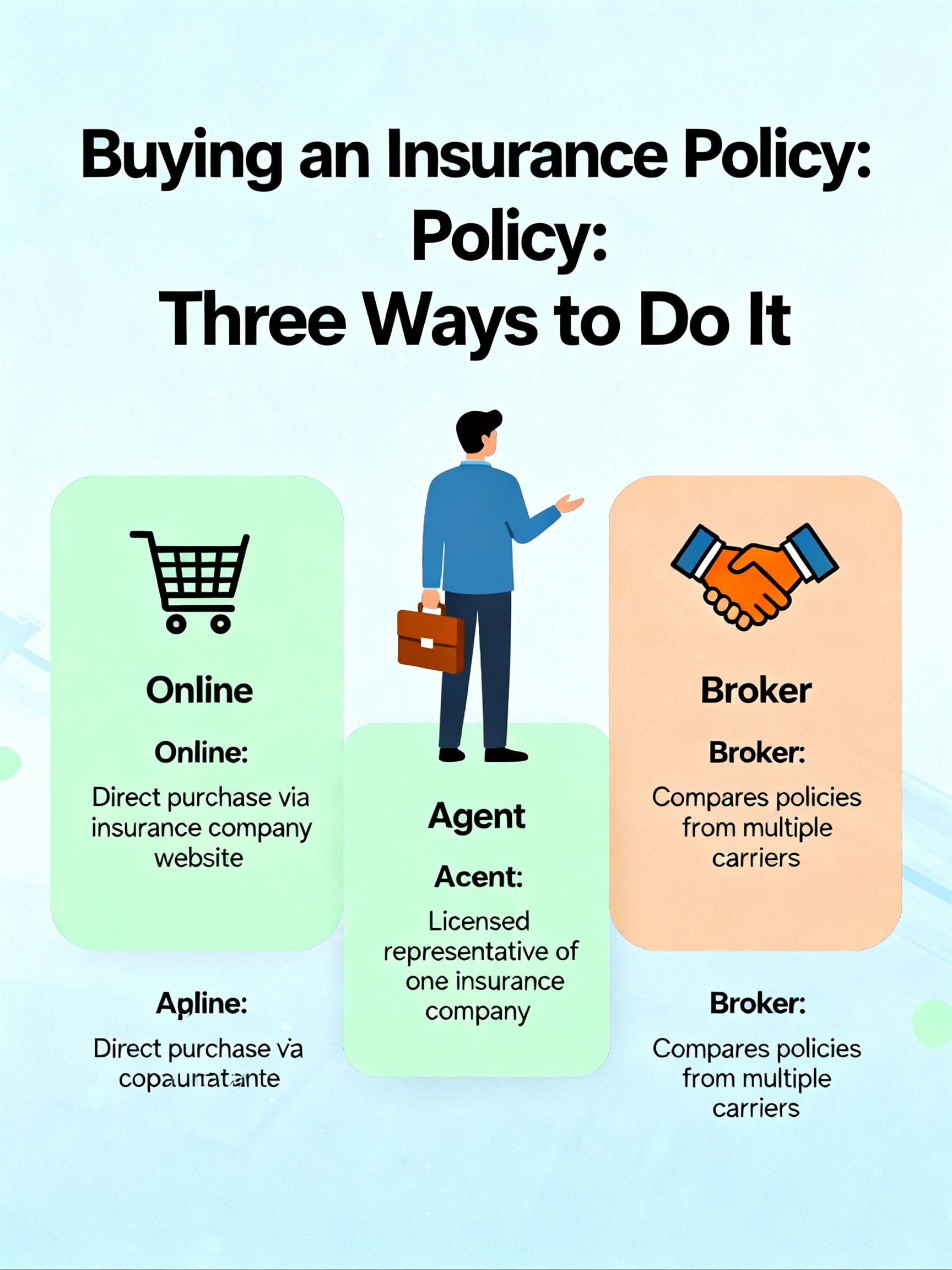
Regular reviews ensure your coverage keeps pace with life changes such as marriage, children, business ownership, or debt reduction. Comparing multiple insurers through an independent agent can reveal significant pricing differences. And avoiding over-insuring prevents unnecessary premium strain on monthly budgets.
Life insurance works best when it is precisely calibrated to real needs—not purchased blindly.
The Bottom Line on Who Really “Wins”
Insurance companies win by managing risk efficiently and maintaining financial strength. Policyholders win by transferring catastrophic financial risk away from their families. It is not a zero-sum game—it is a system built on shared responsibility.
When understood properly, life insurance is not about outsmarting the system or trying to “beat” the insurer. It is about using the system as it was intended: to protect the people you love from financial hardship when you are no longer there to provide for them.
When viewed that way, both sides truly can win.