
Education at the Center of California’s Insurance Crisis
Published Date: 04/27/2024
When the Little Hoover Commission convened its April 2024 hearing on California’s home insurance crisis, lawmakers, regulators, and industry experts gathered to analyze a market in collapse. Insurance carriers are retreating, homeowners are being pushed onto the FAIR Plan, and rebuilding costs after wildfires continue to surge.
Amid the data, rate filings, and regulatory debate, insurance broker and educator Karl Susman delivered a message that cut through the technical noise: the crisis is not just about regulation or rates — it is also about education.
“Consumers don’t know what their insurance actually does,” Susman told the Commission. “And that’s a bigger problem than the rates themselves.”
A Market in Disarray
California’s home insurance market has been described as broken for years. Major carriers such as State Farm, Allstate, and Farmers have limited new policies or withdrawn entirely from high wildfire-risk ZIP codes.
The causes are well established:
- Rising catastrophe losses driven by climate-fueled wildfires
- An outdated regulatory framework under Proposition 103 that restricts forward-looking tools like catastrophe modeling
- Soaring rebuilding costs due to inflation and supply chain disruptions
But Susman warned that even if regulations are modernized, many Californians will still struggle if they do not understand how insurance actually works.
“We can fix rates, fix the FAIR Plan, fix reinsurance rules,” he said, “but if the average homeowner still doesn’t understand their policy, they’re going to make bad decisions.”
Insurance Illiteracy as a Hidden Crisis
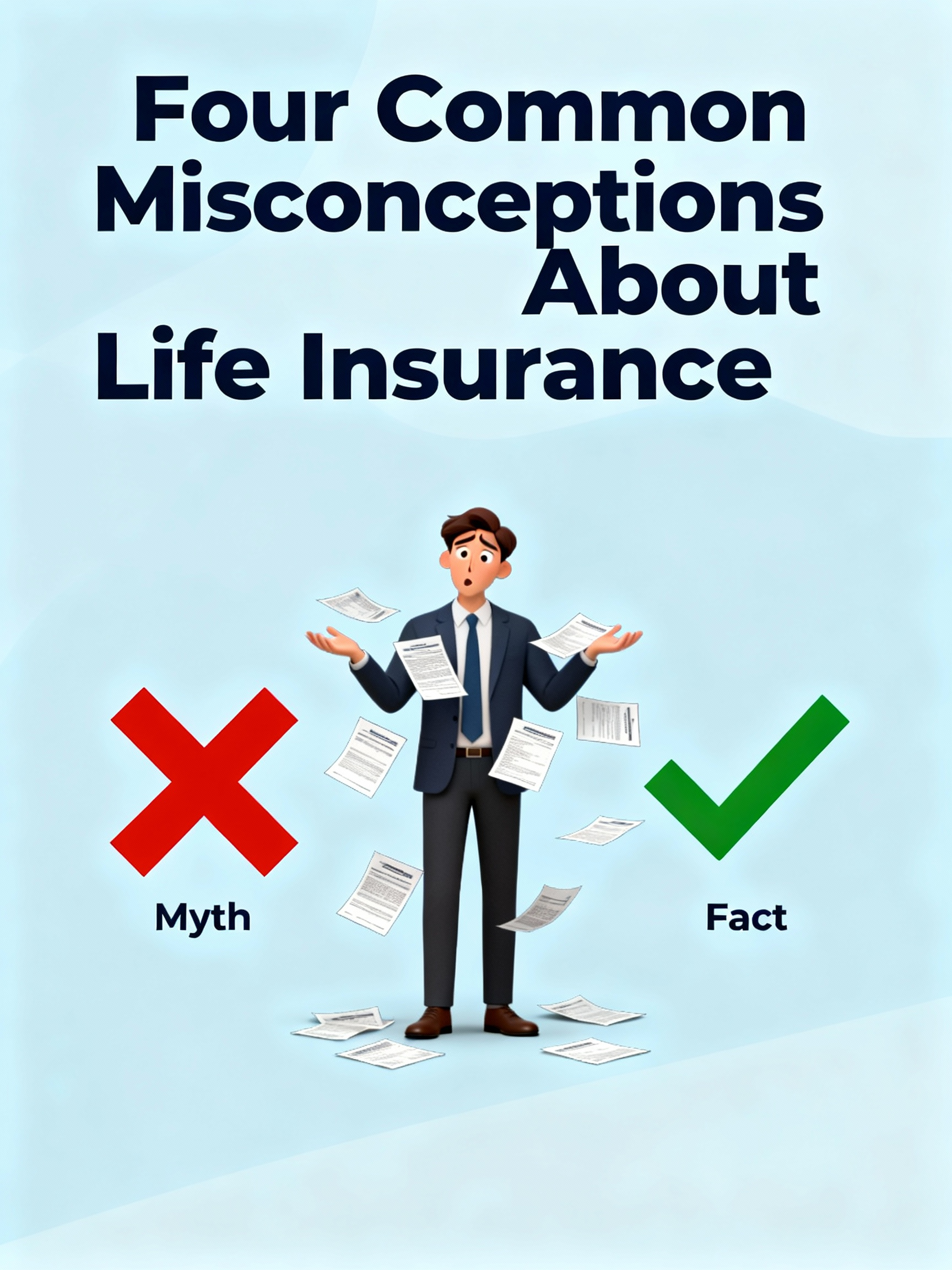
Susman explained that most homeowners either do not read their policies or cannot fully understand them. Technical terms like “replacement cost,” “actual cash value,” and “endorsements” can determine whether a claim is paid in full or denied — yet these concepts remain largely misunderstood.
He cited real-world examples of homeowners discovering too late that their policy:
- Excluded earthquake coverage without a separate policy
- Limited smoke damage under specific conditions
- Lacked code upgrade coverage, leaving major rebuilding costs uncovered
These misunderstandings are not isolated. They are widespread.
“The industry assumes people know what they’re buying,” Susman said. “They don’t.”
He compared the problem to financial literacy: consumers are asked to make complex financial decisions with little formal education, often relying on advertising or word of mouth instead of professional guidance.
The FAIR Plan: Widely Misunderstood and Often Misused
A major focus of Susman’s testimony was the California FAIR Plan, which was designed as a temporary safety net for homeowners who cannot find private coverage. Today, it has become a permanent solution for hundreds of thousands of Californians.
Susman stressed that the FAIR Plan was never intended to function as complete insurance — yet many homeowners mistakenly believe it does.
“I hear it every week: ‘I’m on the FAIR Plan, so I’m covered,’” he said. “They don’t realize it’s fire-only. It doesn’t include liability, theft, or water damage unless you buy additional coverage elsewhere.”
FAIR Plan policies require companion “Difference in Conditions” (DIC) coverage to fill critical gaps. Yet many homeowners do not learn this until after a loss.
“People think they have full insurance,” Susman said. “They don’t.”
He urged greater transparency and public education about what the FAIR Plan does — and does not — cover.
Agents, Brokers, and the Misinformation Gap
Susman also focused on a critical misunderstanding in the market: the difference between captive agents and independent brokers.
Many consumers do not realize that a captive agent represents a single insurance company, while an independent broker represents the client and can shop across multiple carriers.
“If you call a State Farm agent, you’re not talking to an independent advisor — you’re talking to a representative of State Farm,” Susman explained. “There’s nothing wrong with that, but consumers need to understand who they’re actually dealing with.”
Without that clarity, homeowners may assume they are receiving unbiased advice when they are not. Susman encouraged the Commission to consider clearer, plain-language disclosures about these roles.
The Risks of Surplus Lines Insurance
As admitted carriers retreat, more Californians are being placed into surplus lines insurance — policies issued by non-admitted carriers that are not regulated in the same way as traditional insurers.
While surplus lines coverage can be essential when no admitted options are available, it comes with significant tradeoffs:
- Policies are often non-renewable and price-flexible
- Rates can increase dramatically year to year
- Surplus carriers do not participate in state guarantee funds
- Regulatory oversight is more limited
- Fine-print exclusions can be extensive
Susman warned that many homeowners do not realize they are buying surplus lines insurance at all.
“They see the policy, they see the premium, and they assume it’s just like State Farm or Travelers,” he said. “It’s not. And no one’s telling them the difference.”
He proposed a mandatory one-page disclosure explaining what surplus lines insurance is, what protections apply, and what risks consumers assume.
The Power of Prevention and Home Hardening Education
Susman highlighted home hardening as one of the most underutilized tools in reducing both wildfire risk and insurance costs.
Many homeowners clear brush, replace roofs, or install ember-resistant vents — but often fail to document those improvements or understand how they affect their insurance.
“Homeowners should know not just what to do,” Susman said, “but how to document it. If you harden your home, tell your agent. Send proof. Make sure it’s reflected in your file.”
He strongly supported integrating home mitigation into catastrophe models so that safer homes are rewarded with lower premiums.
“If we teach consumers that mitigation pays off, we make communities safer and insurance more affordable,” he said.
A Call for Consumer-Centric Insurance Reform
While much of the Commission’s hearing focused on technical reforms — catastrophe modeling, reinsurance, and modernization of Proposition 103 — Susman’s testimony reframed the crisis around people, not just policy.
Regulatory fixes alone, he argued, cannot succeed without a parallel commitment to widespread education. He urged the state and industry leaders to invest in:
- Public awareness campaigns about the FAIR Plan
- Plain-language policy summaries for homeowners
- Statewide insurance literacy programs in schools, libraries, and community centers
- Stronger communication standards for agents and brokers
He also challenged regulators to treat consumer comprehension as a measurable outcome of reform.
“We measure compliance, but we don’t measure comprehension,” he told the Commission. “Until we do, the system will keep failing the people it’s supposed to protect.”
Why Education Matters More Than Ever
California’s insurance crisis is often framed as a problem of economics or regulation. But Susman argued it is also a crisis of trust — and trust depends on understanding.
When consumers do not understand their coverage, insurers face more disputes, regulators face more complaints, and homeowners face greater financial and emotional losses after disasters.
“You can’t legislate knowledge,” Susman said. “You have to teach it.”
The Bottom Line
Karl Susman’s testimony to the Little Hoover Commission delivered a simple but powerful message: California’s insurance reform efforts will fail unless consumers understand the system they are part of.
As lawmakers modernize rate-making and catastrophe modeling, they must also modernize how insurance is explained to the public — including what coverage means, what the FAIR Plan excludes, and how homeowners can actively reduce their risk.
Because in the end, California cannot build a sustainable insurance system if its citizens do not understand the protection they are buying.
Author