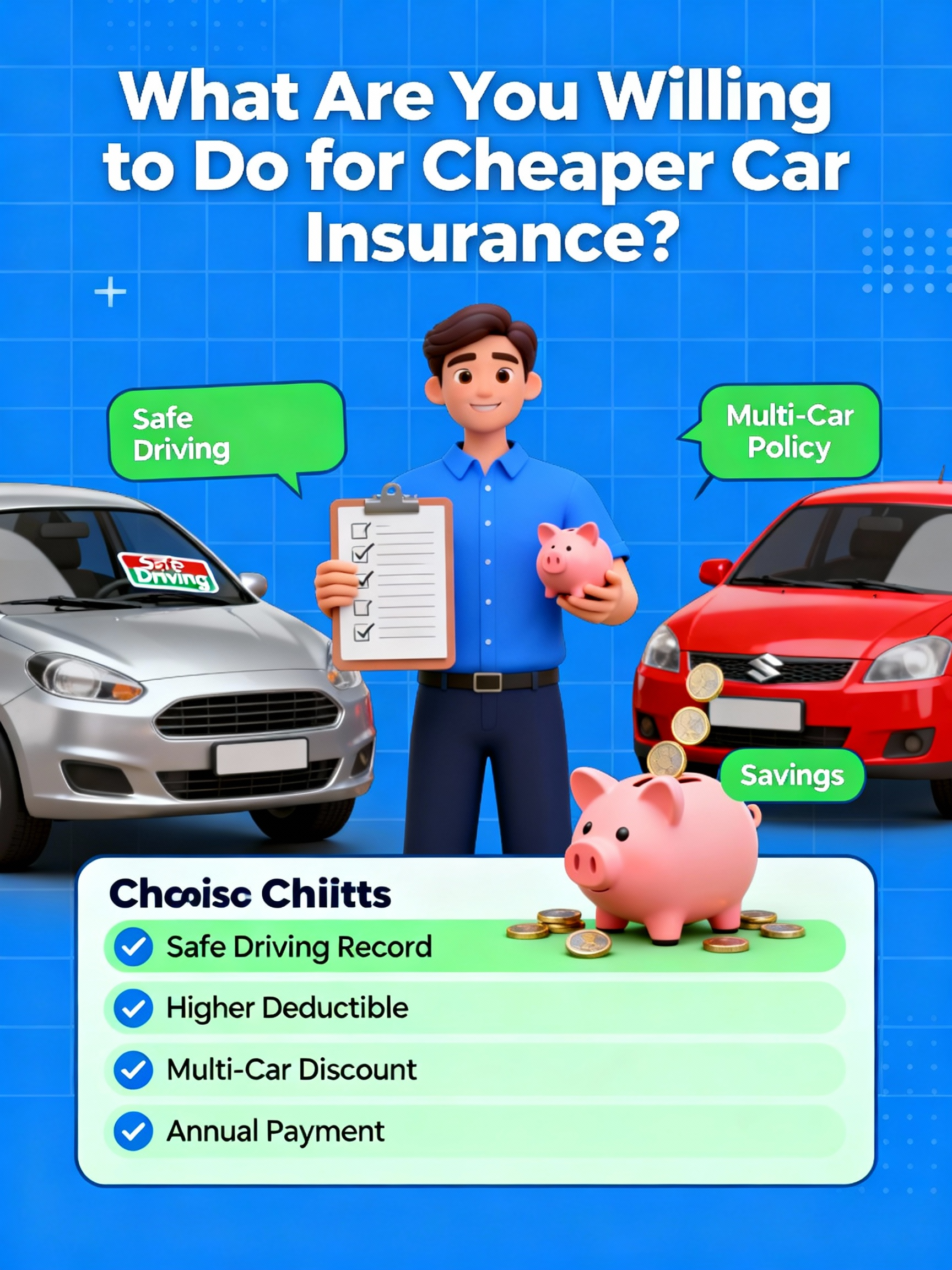
Insurance costs frustrate many drivers, especially when their car gets older and its value drops. But auto insurance premiums reflect far more than the worth of your vehicle. Understanding what drives these increases—and how you can take control—can help you make smarter, more cost-effective coverage decisions.
Why Your Car’s Value Doesn’t Dictate Your Premium
Many assume insurance should get cheaper as a car depreciates. While the comprehensive and collision portions of your policy may drop over time, other factors push your total premium upward.
Major drivers of rising costs include:
- Higher repair costs: Modern vehicles contain sensors, cameras, complex electronics, and specialized materials—all expensive to fix or replace.
- Inflation: Labor, parts, and medical care costs have increased sharply.
- More severe claims: Injury claims, lawsuits, and property damage settlements have grown dramatically.
- Worsening driving behavior: Distracted driving, especially phone-related, has pushed accident frequency and severity higher.
- Increased thefts and natural disasters: Both trends elevate insurer payouts, raising overall premiums.
So, while part of your policy may decrease, the general risk environment pushes the full premium upward.
Electric Vehicles and the High Price of Repairs
Electric and hybrid vehicles offer efficiency and environmental benefits, but they are significantly more expensive to repair. A damaged EV battery can cost tens of thousands of dollars—sometimes more than the car’s entire value.
Additional factors contributing to higher premiums include:
- Limited availability of EV replacement parts
- Need for specialized technicians
- Longer repair times, meaning insurers pay for additional rental car days
Regions with large EV populations often see steeper overall rate increases due to these costs.
Why “Full Coverage” Doesn’t Actually Exist
Many consumers ask for “full coverage,” but the term doesn’t exist in the insurance industry. A real auto policy is made up of individual coverages, including:
- Liability
- Uninsured/Underinsured Motorist
- Medical Payments/PIP
- Comprehensive
- Collision
- Rental and Roadside Assistance (optional)
Understanding each part—and adjusting deductibles and limits—allows you to tailor coverage intelligently rather than relying on vague terminology.
Use Bundling and Policy Reviews to Lower Costs
Bundling your auto policy with your homeowners, renters, or condo insurance remains one of the most effective ways to lower your premium.
Why bundling matters more today:
- Discounts are percentage-based—so when premiums rise, your savings increase too.
- The discount often applies to
both bundled policies.
- You simplify your coverage with one insurer and reduce the chance of gaps.
During reviews, always compare policies line-by-line. A “cheaper” quote may have stripped out essential protection or raised deductibles.
Discounts You May Be Missing
Insurers rarely notify you about new or unused discounts—you must ask. Potential options include:
- Defensive driving course discounts
- Good student discounts
- Anti-theft or GPS tracking system discounts
- Garage parking discounts
- Low-mileage or pay-per-mile programs
Discount availability varies by insurer and state, so review them annually.
Mileage and Driving Habits Matter More Now
Hybrid work schedules mean many drivers are logging fewer miles—but not all insurers update mileage automatically. If you work from home or rarely commute, you may qualify for:
- Low-mileage discounts
- Verified mileage adjustments
- Pay-per-mile programs
Lower mileage equals lower exposure—and potentially much lower premiums.
Location and State Regulations Affect Your Rate
Where you live dramatically influences insurance pricing. Across national averages:
- Least expensive states: Maine, Vermont, Idaho, North Carolina
- Most expensive states: Louisiana, New York, Florida, New Jersey, Michigan
Rates reflect local claim frequency, litigation trends, weather risk, population density, and regulatory rules. Insurance pricing is a complex ecosystem—your ZIP code alone impacts your premium.
Distracted Driving: The Biggest Modern Driver of Rising Premiums
Smartphones have made distracted driving a national crisis. Just two seconds of looking away at highway speeds equals the length of a football field traveled blindly.
The result:
- More crashes
- More severe injuries
- More total losses
- Higher medical and legal costs
This one trend alone has driven major premium increases across the country.
Adjusting Coverage—Not Eliminating It
Cutting essential coverage (like collision or uninsured motorist protection) to save money can leave you financially vulnerable. A safer approach is to
raise your deductible, which reduces your premium while keeping key protections in place.
Review your coverage annually, especially if your driving patterns or household circumstances change.
Insurance Isn’t “Fair”—But You Can Be Smart
Insurance is a pooled system, meaning your rates depend not only on your behavior but on everyone else’s. Even flawless drivers may see increases due to market-wide shifts.
But smart consumers can still limit costs by:
- Maintaining a clean record
- Bundling policies
- Updating mileage
- Asking for discounts
- Raising deductibles strategically
- Reviewing policies each year
You can’t control the whole system—but you can control your own profile.
Final Thoughts: Focus on What You Can Control
Auto insurance is more complicated than ever. Vehicles are smarter, repairs are pricier, and accidents are more severe. But by understanding how premiums are calculated and staying proactive with your agent or broker, you can protect both your finances and your peace of mind.
As Karl Susman puts it, “You just need to know more than you used to.”
With the right knowledge—and a little initiative—you can navigate today’s challenging insurance landscape confidently and cost-effectively.