
California Liability Insurance Crisis Hits Homeowners
Published Date: 10/08/2024
For months, headlines have focused on California’s collapsing homeowners’ insurance market — insurers pulling out, premiums skyrocketing, and homeowners being pushed into the state’s bare-bones FAIR Plan. But a new and deeper problem is emerging: many Californians can no longer find basic liability insurance.
In a recent CBS News segment, investigative reporter Christine Lazar highlighted a Woodland Hills couple whose experience shows just how severe the situation has become. After a massive storm toppled a 150-foot tree onto their hillside home in early 2023, their private insurer dropped them. The couple was left with fire-only coverage through the FAIR Plan and no liability protection at all.
As Insurance Hour host Karl Susman later explained, this is not an isolated case. It is a warning sign that California’s insurance crisis is now threatening one of the most fundamental protections homeowners rely on.
A Shocking Case From Woodland Hills
For Kevin Mojirati and his husband, life on their steep Woodland Hills property has become an ongoing source of stress. In February 2023, a powerful winter storm uprooted a towering eucalyptus tree that tore through their access stairway and deck.
“When the tree fell, it broke every single one of the steps and flipped one of the sections up into the air,” Mojirati said.
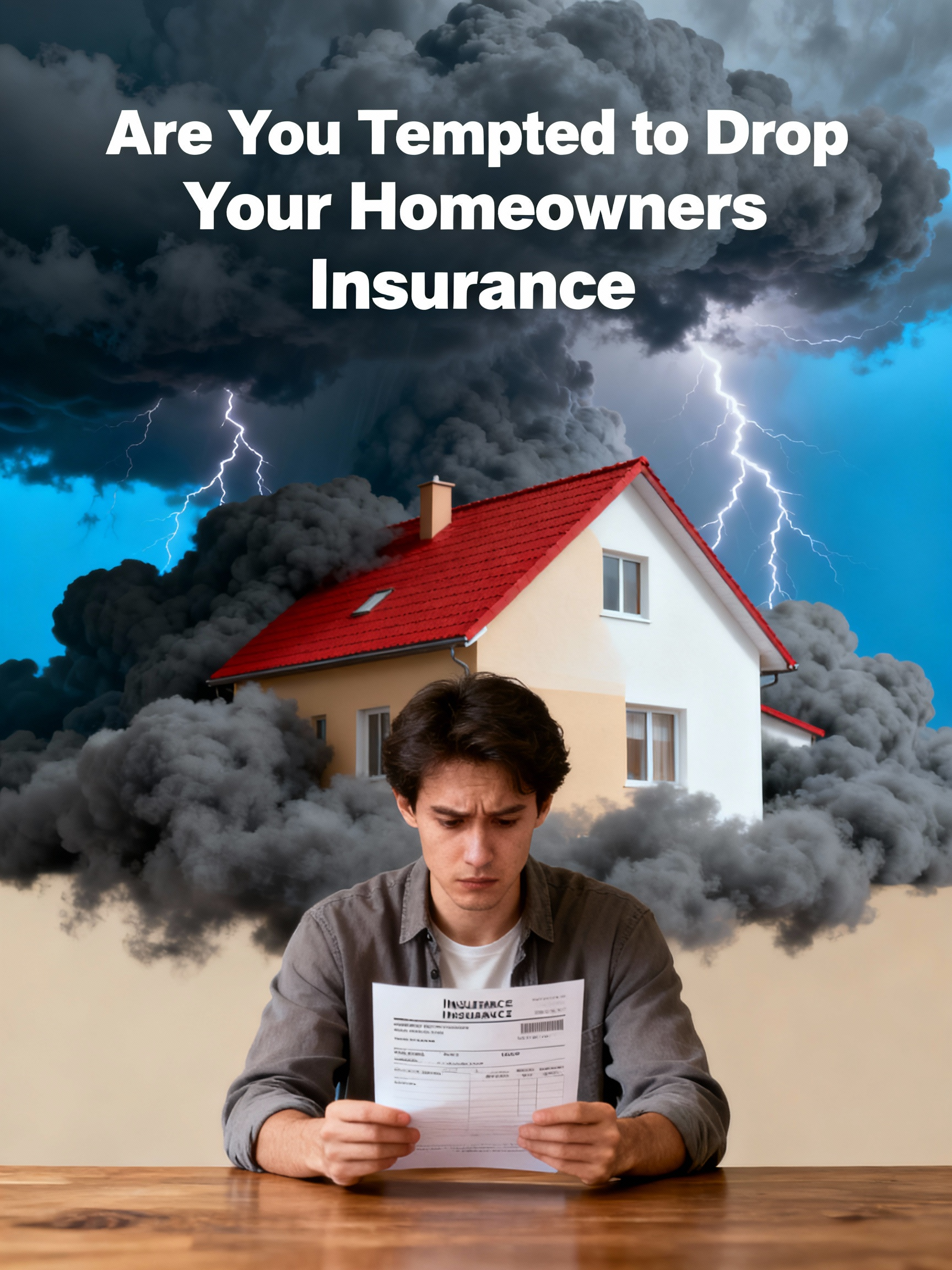
They filed a claim, expecting prompt repairs. Instead, their insurer non-renewed the policy, citing the damaged structure and ongoing reconstruction. With no private-market options available, they turned to the California FAIR Plan. That’s when the deeper problem surfaced.
The FAIR Plan only covers fire. It does not include liability, theft, or many other essential protections. When the couple tried to buy a separate liability policy, insurers refused. One carrier even sent an inspector, took photos, and declined to quote coverage due to “construction activity.”
For nearly two years, the couple has navigated their unstable, makeshift wooden steps without liability protection. Even hiring a contractor is risky, since an on-site injury could expose them to devastating financial liability.
“Every day, when we walk up and down, we just think — what if something happens?” they told CBS.
Why Liability Insurance Is So Critical
Liability insurance is the part of a homeowners policy that protects against lawsuits and injury claims. It typically covers:
- A visitor who is injured on your property
- A contractor hurt during repairs or renovations
- Accidental damage to a neighbor’s home or vehicle
Without liability coverage, homeowners are personally responsible for these losses — a risk that can quickly become financially catastrophic.
“The FAIR Plan isn’t a full policy,” Susman emphasized. “It’s a stopgap. It doesn’t include liability. You need a companion policy in the private market to have complete protection. And that’s exactly what’s disappearing now.”
Why Liability Coverage Is Drying Up in California
The disappearance of liability insurance is not random. It is tied directly to the broader dysfunction in California’s insurance system.
Regulatory Gridlock Under Proposition 103
California’s rate approval system limits how quickly insurers can adjust pricing. As wildfire and storm losses mounted, insurers were forced to pay claims under outdated rate structures. For many carriers, this made bundled homeowners and liability policies financially unsustainable in high-risk areas.
“When a company stops writing homeowners policies,” Susman explained, “they often stop writing companion liability policies too. The two products are linked.”
Rising Litigation and Settlement Costs
Premises liability and personal injury claims have become far more expensive due to higher medical costs, inflation, larger jury awards, and attorney fees. Insurers are now far more selective about which properties they will insure — especially those with steep terrain, access issues, or ongoing repairs.
Soaring Reinsurance Costs
Reinsurance — the insurance that protects insurers — has become dramatically more expensive worldwide. These costs ripple through the entire system, affecting both property and liability coverage in disaster-prone states like California.
Construction and Temporary Risk Exposure
Active repair or reconstruction creates short-term hazards that insurers view as high risk. In cases like Mojirati’s, carriers often opt out entirely rather than underwriting temporary conditions accurately.
“It’s a vicious cycle,” Susman said. “They can’t finish repairs because they can’t get coverage — and they can’t get coverage because repairs aren’t finished.”
The Limits of the California FAIR Plan
The FAIR Plan was created in 1968 as a temporary safety net following periods of civil unrest and wildfire losses. It was never meant to replace the private insurance market.
Its current limitations are stark:
- Fire-only coverage
- No liability, theft, or water damage protection
- High premiums and steep deductibles
- Dependence on hard-to-find Difference-in-Conditions (DIC) policies
“It was never designed to be this big,” Susman said. “It’s supposed to be a bridge, not the highway.”
As enrollment grows, the financial strain on the FAIR Plan — and on the entire market that backs it — continues to intensify.
A National Trend, Not Just a California Problem
While California may be the epicenter, similar liability coverage restrictions are appearing elsewhere:
- Florida: Coastal and flood-exposed properties are losing liability options
- Louisiana and Texas: Post-hurricane underwriting has tightened sharply
- Colorado and Oregon: Wildfire exposure is driving selective underwriting
Across the country, climate risk, inflation, and regulatory friction are pushing insurers away from unpredictable exposures.
The Real-World Consequences for Homeowners
Losing liability coverage triggers a chain reaction of financial risk:
- Mortgage risk: Many loan agreements require comprehensive insurance, not just fire coverage.
- Personal legal exposure: A single injury claim can threaten savings, retirement funds, and home equity.
- Stalled repairs: Financing and permitting become harder without full coverage.
- Property value pressure: Widespread insurance instability can drag down home values.
“It’s not just an insurance issue anymore,” Susman warned. “It’s a housing issue, a financial issue, and an economic one.”
What Homeowners Can Do Right Now
While statewide solutions will take time, homeowners still have a few practical options.
Work with independent agents who can access surplus-line and specialty markets.
Document all mitigation and repair efforts with photos, receipts, and inspection reports.
Bundle policies when possible to improve underwriting flexibility.
Advocate locally as counties push for emergency insurance action.
Review umbrella liability policies, which can sometimes provide supplemental protection if an underlying policy can be secured.
These steps won’t solve the systemwide crisis, but they can reduce exposure in the short term.
2025 Reforms and the Path to Market Stability
The California Department of Insurance is implementing reforms under Commissioner Ricardo Lara’s Sustainable Insurance Strategy beginning in 2025. These changes aim to:
- Modernize risk assessment using forward-looking catastrophe models
- Allow more accurate pricing of both property and liability risk
- Require insurers to write coverage in high-risk regions in exchange for regulatory flexibility
“It’s not going to happen overnight,” Susman cautioned, “but these are the right steps. We just have to hold the system together until they take effect.”
The Human Cost Behind the Statistics
For Mojirati and his husband, the crisis is not a policy debate — it is their daily life.
“We just want to feel safe again,” they said.
Their experience reflects what thousands of Californians are now facing: uncertainty, exposure, and the erosion of protections that once seemed guaranteed.
Final Thoughts on California’s Liability Insurance Breakdown
The loss of liability insurance reveals how far California’s insurance crisis has spread. This is no longer just about fire coverage or rising premiums. It is about the collapse of accessibility to essential financial protection.
California’s upcoming reforms may restore balance, but time is the most fragile variable.
“Every day we delay,” Susman said, “more people lose coverage. And every policy lost makes the system weaker for everyone else.”
Liability insurance may not dominate disaster headlines, but it is the quiet foundation of homeownership. Without it, Californians are not just uninsured — they are fully exposed.
Author