
The Good, the Bad, and the Ugly of Life Insurance: A Guide for Homeowners
Published Date: 01/17/2025
Few financial products spark as much confusion—or emotion—as life insurance. Some see it as a lifeline, a way to protect family and legacy. Others view it as an expensive mystery, sold through jargon and fear. And then there are those who avoid it altogether, assuming it’s something they’ll “get to later.”
In a recent episode of Insurance Hour, industry expert Karl Susman tackled this head-on with refreshing honesty, separating the myths from the mechanics of life insurance. His verdict? Life insurance can be one of the most powerful financial tools in your portfolio—but only if you understand what you’re buying.
This post breaks down the good, the bad, and the ugly of life insurance—the truths every policyholder and agent should know.
1. The Good: Protection, Stability, and Legacy
At its best, life insurance is pure peace of mind. It’s designed to answer one critical question: If something happens to me, what happens to the people who depend on me?
Financial Security for Families
When a breadwinner dies, their income doesn’t just vanish—it’s replaced by expenses, debt, and disruption. Life insurance fills that financial vacuum. A well-structured policy can:
- Replace years of lost income
- Pay off a mortgage
- Cover college tuition or childcare
- Provide retirement continuity for a surviving spouse
“You don’t buy life insurance because you’re going to die,” Susman explained. “You buy it because people you love are going to live.”
In essence, it’s a contract of compassion—a promise that grief won’t be compounded by financial ruin.
Estate Planning and Generational Wealth
Beyond income replacement, life insurance is one of the most efficient ways to transfer wealth. Payouts are typically tax-free, immediate, and immune to probate delays. For business owners or high-net-worth individuals, it can fund buy-sell agreements, settle estate taxes, or equalize inheritances among heirs.
Cash Value Growth and Liquidity
Permanent policies—such as whole life and universal life—can also serve as long-term savings tools. Over time, they accumulate cash value that grows tax-deferred and can be borrowed against. For disciplined savers, this creates a flexible financial reserve that can fund education, emergencies, or even supplement retirement.
When properly structured, life insurance can become a cornerstone of financial planning, blending protection, investment, and legacy.
2. The Bad: Complexity, Misunderstanding, and Missed Expectations
If life insurance is so valuable, why is it also so controversial? The answer lies in how it’s sold—and misunderstood.
Overcomplicated Products
Life insurance isn’t one-size-fits-all, but it’s often marketed as if it were. Terms like indexed universal, variable whole, or participating dividends can make even financial professionals dizzy. Many buyers sign policies they don’t fully understand—believing they’re investing, saving, or securing lifetime coverage, only to learn later that costs, performance, or lapses changed the picture entirely.
Susman’s advice was simple: “If you don’t understand it, don’t buy it yet.”
A competent agent should be able to explain:
- What kind of policy it is (term, whole, universal, or variable)
- How long coverage lasts
- What causes premiums to rise
- What happens if you stop paying
- How beneficiaries access funds
If those answers aren’t clear, the product may not be the right fit—or the advisor may not be the right guide.
Underfunded or Mismanaged Policies
Permanent life insurance, especially universal life, requires ongoing management. Policies can underperform if interest rates drop or investment returns lag, leading to higher premiums or policy lapses. Many policyholders discover years later that their coverage is “evaporating” because the cash value can’t sustain the cost of insurance.
“It’s not a ‘set it and forget it’ product,” Susman cautioned. “It’s a living, breathing contract that needs attention.”
Sales Over Solutions
The life insurance industry has long been plagued by aggressive sales tactics. Some agents push expensive policies with high commissions instead of matching products to client goals. Others rely on fear-based scripts—“What will your kids do if you die tomorrow?”—that undermine trust.
As Susman noted, ethical advising means educating before selling.
Clients deserve clarity, not pressure. When done right, life insurance is planned, not pitched.
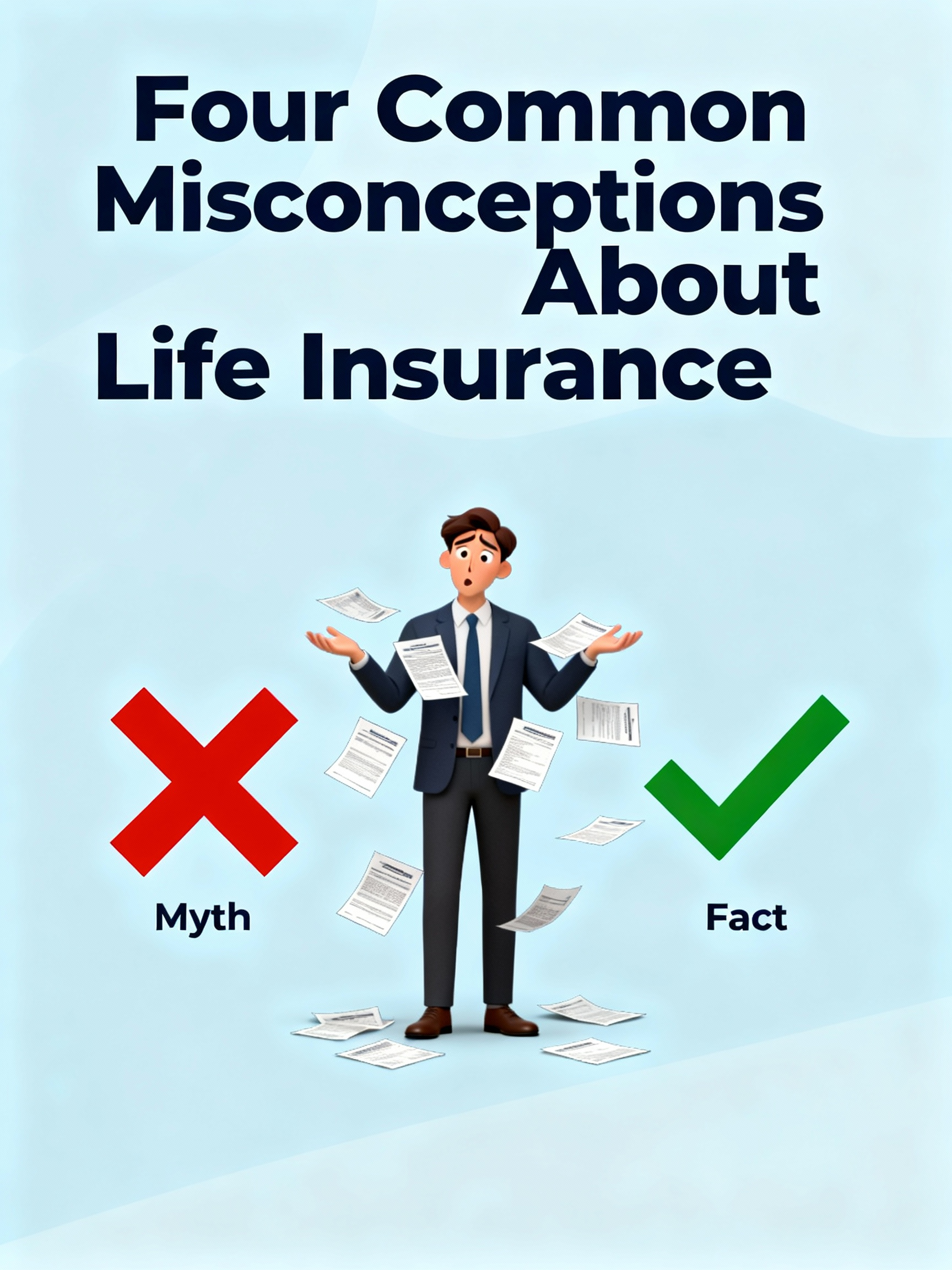
3. The Ugly: Myths, Misuse, and Missed Opportunities
Beneath the surface lies the “ugly” truth: many Americans are dangerously underinsured—or completely uninsured—because of persistent myths.
Myth #1: “I’m Young, I Don’t Need It Yet.”
In reality, buying young is the smartest move you can make. Premiums are based on age and health, which means the younger and healthier you are, the cheaper your coverage. A healthy 25-year-old can lock in $500,000 of term life insurance for less than the cost of a streaming subscription.
Delaying until your 40s or 50s—especially with health issues—can double or triple the cost.
Myth #2: “It’s Too Expensive.”
According to a LIMRA study, 50% of consumers overestimate life insurance costs by three times. Many assume they can’t afford it simply because they haven’t checked.
Term life coverage remains one of the most cost-effective forms of protection, often under $30 per month for meaningful coverage. The key is understanding how much you need, not how much you fear it costs.
Myth #3: “My Work Coverage Is Enough.”
Employer-provided group life insurance is a great perk—but rarely enough. Most policies only cover one to two times your annual salary, which barely scratches the surface of long-term needs like mortgages, education, or debt. Worse, that coverage ends when your employment does.
A personal, portable policy ensures your protection moves with you—not your paycheck.
Myth #4: “All Policies Build Cash Value.”
Only permanent policies (whole, universal, or variable) accumulate cash value. Term insurance—the most common type—has no savings component. Once the term expires, the coverage ends unless renewed or converted. Confusing these types leads many to false expectations.
“Term insurance is pure protection,” Susman said. “Whole life and universal add an investment element—but they’re very different animals.”
4. The Truth About Term, Whole, and Universal Life
To cut through confusion, Susman broke down the three main categories in practical terms:
1. Term Life
- Duration: 10–30 years
- Builds Cash Value: ❌ No
- Best For: Income protection, mortgages, families
- Pros:
- Simple, affordable, and flexible
- Provides substantial coverage for a limited time
- Ideal for covering temporary needs like income replacement or mortgage protection
- Cons:
- Expires with no value if the term ends
- Premiums may rise significantly upon renewal
2. Whole Life
- Duration: Lifetime
- Builds Cash Value: ✅ Yes
- Best For: Estate planning, guaranteed coverage
- Pros:
- Fixed premiums, predictable growth, tax-deferred cash value accumulation
- Permanent coverage ensures lifelong protection
- Provides financial security for beneficiaries
- Cons:
- Expensive premiums compared to term life
- Limited flexibility in terms of investment options and growth
3. Universal Life
- Duration: Lifetime (flexible)
- Builds Cash Value: ✅ Yes
- Best For: Custom coverage, variable needs
- Pros:
- Adjustable premiums and flexible coverage amounts
- Cash value grows based on market performance, offering potential for higher returns
- Flexible policy to match changing life circumstances
- Cons:
- Complex to manage, requiring monitoring and understanding of the market-linked growth
- Potentially high risk depending on market conditions
- Can be costly if not properly managed
Each has its place—term for affordability, whole life for predictability, and universal for flexibility. The right choice depends on your financial goals, risk tolerance, and long-term planning horizon.
5. Red Flags and Real Questions to Ask Before You Buy
Susman emphasized that consumers should never feel rushed or confused when discussing life insurance. He offered a checklist of questions to clarify any policy proposal:
- What problem does this policy solve for me or my family?
- How long is the coverage guaranteed?
- Can I stop paying premiums at some point—and what happens if I do?
- What are the projected versus guaranteed values?
- How does this fit into my overall financial plan?
If an agent can’t answer these questions clearly—or deflects them entirely—that’s your cue to slow down or walk away.
6. Turning Life Insurance Into a Financial Strategy
When used intelligently, life insurance isn’t just a death benefit—it’s a living benefit. Permanent policies can provide liquidity for:
- Retirement income supplementation
- College funding
- Business continuation or key-person protection
- Charitable giving and legacy planning
But as Susman reminded listeners, these strategies only work if the policy is properly structured, funded, and reviewed annually. What begins as a tax-efficient asset can easily become a burden if neglected.
“A policy review isn’t about selling you something new—it’s about making sure what you have still fits your life,” he said.
7. The Takeaway: Simplicity, Honesty, and Purpose
Life insurance isn’t glamorous. It doesn’t earn daily headlines or social media hype. But when tragedy strikes, it’s the single most powerful financial safety net a family can have.
The good is its protection and peace of mind.
The bad is its complexity and misuse.
The ugly is the misunderstanding that keeps millions unprotected.
Susman’s advice to both consumers and professionals was clear: simplify the conversation. Focus on the “why,” not the “what.”
“The best life insurance policy,” he concluded, “is the one that’s in force the day you need it.”
Final Thoughts
Whether you’re buying your first policy or revisiting an old one, start with clarity:
- Know your coverage goals.
- Choose the policy that fits your financial reality.
- Work with professionals who educate, not just sell.
Because when it comes to life insurance, truth isn’t just empowering—it’s lifesaving.
Author