Keep me updated!
As California faces yet another devastating wildfire season, homeowners are finding themselves not only grappling with the immediate loss of their property but also navigating the complex insurance claims process. Amid the smoke and uncertainty, public adjusters are aggressively marketing their services, promising to help homeowners secure larger settlements. However, while public adjusters can provide valuable assistance, insurance expert Karl Susman warns that their services come with significant costs and potential risks if homeowners aren't careful.
In a recent NBC4 Los Angeles segment, Susman joined consumer reporter Chris Chmura to explain the complexities of dealing with public adjusters during the aftermath of a wildfire, providing homeowners with the insights they need to make informed decisions.
1. What Exactly Is a Public Adjuster?
Public adjusters are licensed professionals who represent policyholders, not insurance companies. They prepare, file, and negotiate insurance claims on behalf of homeowners, often in an effort to secure a larger payout. Their role is to "fight" the insurance company for a better settlement, which can be appealing to those overwhelmed by the claims process.
However, Susman cautions homeowners to understand the timing and costs associated with hiring a public adjuster. “Public adjusters absolutely do have a place in this industry,” he said, “but that place comes down the line” — meaning they should only be considered once all other avenues have been exhausted.
2. Why Public Adjusters Are Suddenly Everywhere
After catastrophic fires like the Palisades Fire, public adjusters often descend on neighborhoods, knocking on doors and handing out flyers. Susman points out that many adjusters arrive before homeowners have even heard back from their insurance companies, capitalizing on the emotional stress and urgency of the situation.
“Resist any high-pressure sales tactics,” Susman advises. Although many public adjusters are ethical professionals, others may exploit the chaos of disaster recovery to secure contracts that homeowners might later regret.
3. How Public Adjuster Fees Work—and Why They Matter
One of the most important aspects of hiring a public adjuster is understanding their fees. Public adjusters typically charge a percentage of the final settlement, ranging from 5% to 20% of the claim amount. For example, if a homeowner receives a $600,000 settlement, a 10% fee means $60,000 will go directly to the adjuster.
Susman’s advice: “Give your insurance company time to make you an offer.” If the offer is too low, homeowners should try pushing back with the help of their broker before resorting to a public adjuster. Only after exhausting those free options should homeowners consider hiring one — and even then, they need to understand the financial trade-off.
4. The “Right Time” to Hire a Public Adjuster
Public adjusters can provide legitimate value, particularly in complex claims or when policyholders feel they’re being stonewalled by their insurer. However, Susman stresses that homeowners should not jump to hire an adjuster without first exploring all other options. “If you go through all these steps and still feel that you’re not getting what you need,” he explained, “then, and only then, do you want to start signing away part of your policy.”
Adjusters can be particularly helpful in situations such as:
- Total-loss claims where the entire property is destroyed.
- Disputes over replacement costs, depreciation, or code upgrades.
- Commercial properties or multi-unit buildings with complex coverage needs.
- Homeowners lacking time or experience to manage detailed documentation.
5. The Role of Your Broker and Adjuster Alternatives
Many homeowners overlook the role of their insurance broker or agent after a disaster. Unlike public adjusters, brokers typically help policyholders at no additional cost beyond their commission. They can:
- Review claim documentation and policy language.
- Assist in communicating with the insurance company’s internal adjuster.
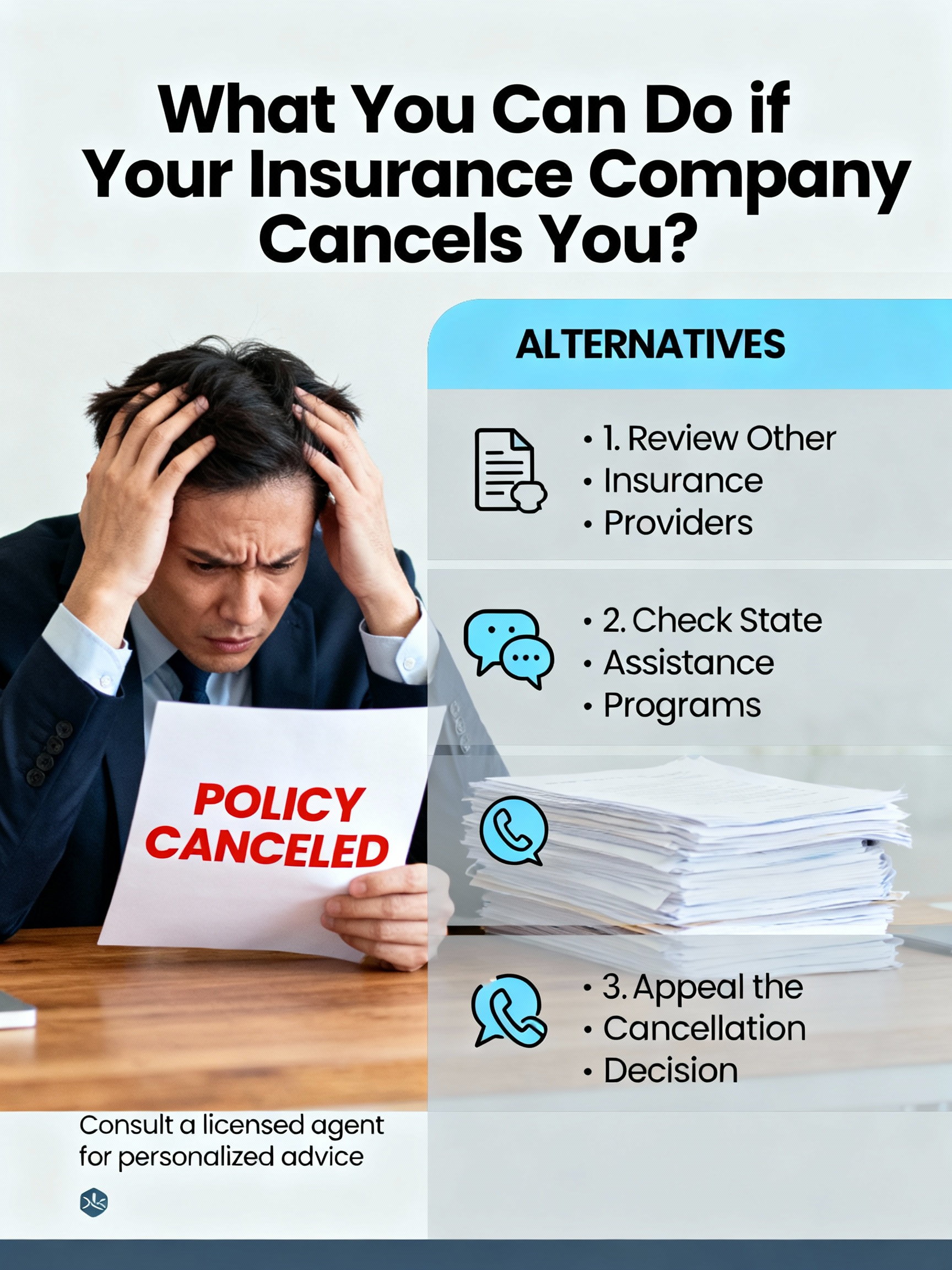
- Request reassessments or escalations if the offer seems unfair.
Susman recommends that homeowners always consult their broker first and explore free options like requesting a second opinion or involving the California Department of Insurance for mediation before considering a public adjuster.
Keep me updated!
6. The Risks of Signing Too Soon
Once a homeowner signs a contract with a public adjuster, it’s difficult—if not impossible—to back out. Susman cautions that some adjusters charge fees based on the total settlement rather than just the additional amount they secure. This means homeowners could end up paying a percentage of the money they would have received from their insurer anyway.
For example, if a homeowner receives a $500,000 offer from their insurance company, and the public adjuster negotiates an additional $50,000, the fee might apply to the full $550,000, resulting in higher fees than expected.
“Read the contract terms carefully,” Susman warns. Homeowners should understand how the adjuster's fees will be calculated and what services will actually be provided in exchange for those fees.
7. When Public Adjusters Cross the Line
Unfortunately, the post-disaster environment also attracts opportunists and fraudsters. Susman warns that some adjusters may:
- Solicit door-to-door without proper credentials.
- Demand upfront payments, which are illegal under California law.
- Promise guaranteed results or unrealistic increases in claim payouts.
Legitimate public adjusters are required to be licensed by the California Department of Insurance. Homeowners should always ask for ID and verify licensing before signing anything. If someone pressures them to sign immediately, it’s a red flag.
8. Balancing Advocacy and Accountability
Public adjusters are there to help homeowners navigate the insurance process, but they are not miracle workers. Susman advises homeowners to first understand their policy, document their losses, and use built-in advocacy channels like their broker or the Department of Insurance before hiring an adjuster.
“Insurance companies are made up of people,” Susman said. “If you document your claim, communicate clearly, and follow up, you’ll often get the fair outcome you deserve.”
9. Practical Steps for Homeowners Navigating a Wildfire Claim
Before a wildfire:
- Review your policy annually to ensure coverage limits reflect current rebuild costs.
- Document your property with photos and videos.
- Create defensible space and use fire-resistant materials.
- Have an evacuation plan and keep essential documents ready.
After a wildfire:
- File your claim immediately to start the process and secure temporary living expenses.
- Keep receipts for temporary housing, meals, and other essential costs.
- Beware of fraud and verify contractor licenses.
- Consult your broker for advice on challenging lowball offers or claims denials.
10. Conclusion: Knowledge Before Contracts
While public adjusters can be an asset, they should never be your first call after a disaster. Patience, documentation, and self-advocacy are often the best way to navigate the insurance maze without paying unnecessary fees. If you do decide to hire a public adjuster, do so carefully, with full understanding of the costs, contract terms, and available alternatives.
As Karl Susman reminds us, understanding your policy and working through the system with the right support can help you avoid the pitfalls and get the coverage you deserve.
Keep me updated!